Archives
- 2026-06
- 2026-05
- 2026-04
- 2026-03
- 2026-02
- 2026-01
- 2025-12
- 2025-11
- 2025-10
- 2025-03
- 2025-02
- 2025-01
- 2024-12
- 2024-11
- 2024-10
- 2024-09
- 2024-08
- 2024-07
- 2024-06
- 2024-05
- 2024-04
- 2024-03
- 2024-02
- 2024-01
- 2023-12
- 2023-11
- 2023-10
- 2023-09
- 2023-08
- 2023-07
- 2023-06
- 2023-05
- 2023-04
- 2023-03
- 2023-02
- 2023-01
- 2022-12
- 2022-11
- 2022-10
- 2022-09
- 2022-08
- 2022-07
- 2022-06
- 2022-05
- 2022-04
- 2022-03
- 2022-02
- 2022-01
- 2021-12
- 2021-11
- 2021-10
- 2021-09
- 2021-08
- 2021-07
- 2021-06
- 2021-05
- 2021-04
- 2021-03
- 2021-02
- 2021-01
- 2020-12
- 2020-11
- 2020-10
- 2020-09
- 2020-08
- 2020-07
- 2020-06
- 2020-05
- 2020-04
- 2020-03
- 2020-02
- 2020-01
- 2019-12
- 2019-11
- 2019-10
- 2019-09
- 2019-08
- 2019-07
- 2019-06
- 2019-05
- 2019-04
- 2018-07
-
Some pyrimidine analogs are substrate based inhibitors that
2019-09-27
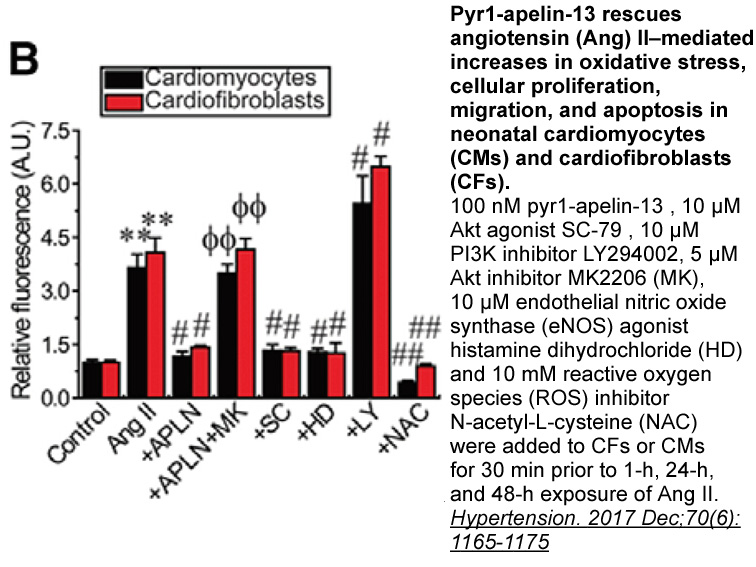
Some pyrimidine analogs are substrate-based inhibitors that bind to the dihydroorotate binding site, but most reported inhibitors of DHODH bind to the site occupied by the ubiquinone co-factor., , , , , , , , , , , , , , , , , X-ray crystallographic studies of inhibitor complexes with DHODH and DHO
-
Predictions of enzyme topology for DGAT are more
2019-09-27
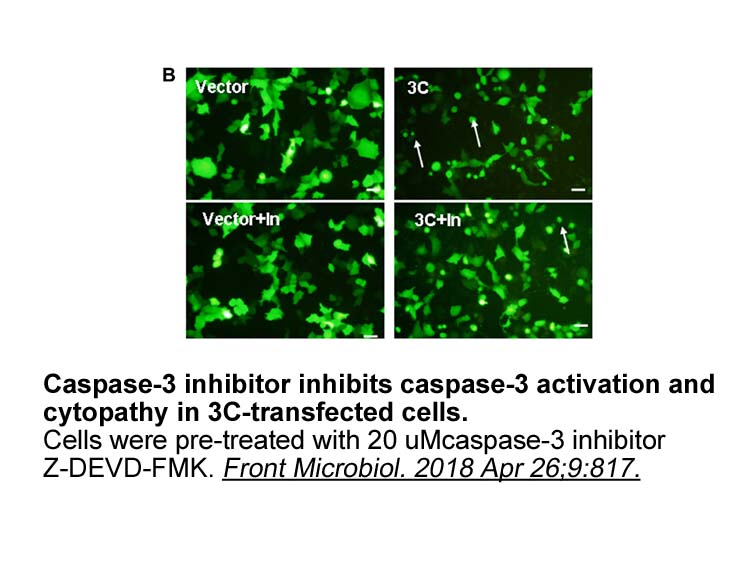
Predictions of enzyme topology for DGAT2 are more difficult since the DGAT2 polypeptide sequences are more diverse across species than those of DGAT1. The length and function of the hydrophilic N-terminus preceding the first hydrophobic segment varies with species – for example, segments in fungi ar
-
Furthermore we found that expression of two C nodule cystein
2019-09-27
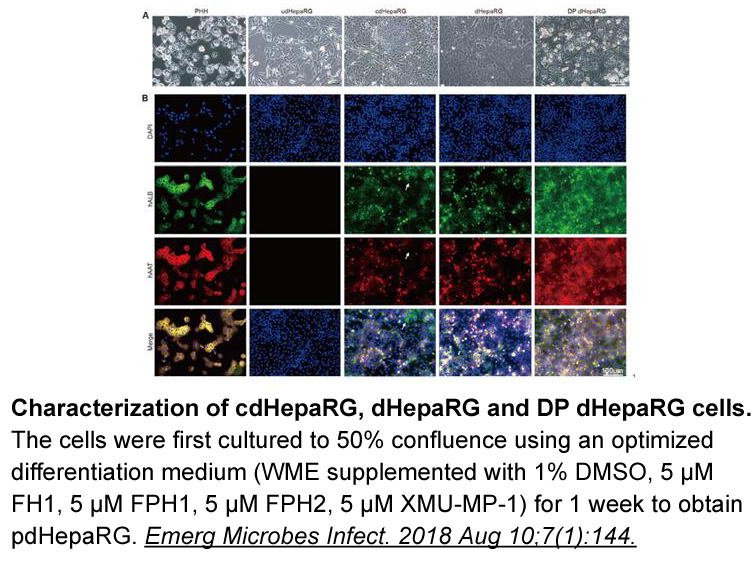
Furthermore we found that expression of two C1 nodule cysteine proteases, Glyma.06G283100 and Glyma.06G174800, changed very little under drought despite the two proteases having similarity to the Arabidopsis senescence-related SAG12 gene with 62% similarity by Glyma.06G283010 and 58% by Glyma.06G174
-
The cysteinyl leukotrienes cysLTs LTC LTD and LTE are increa
2019-09-27
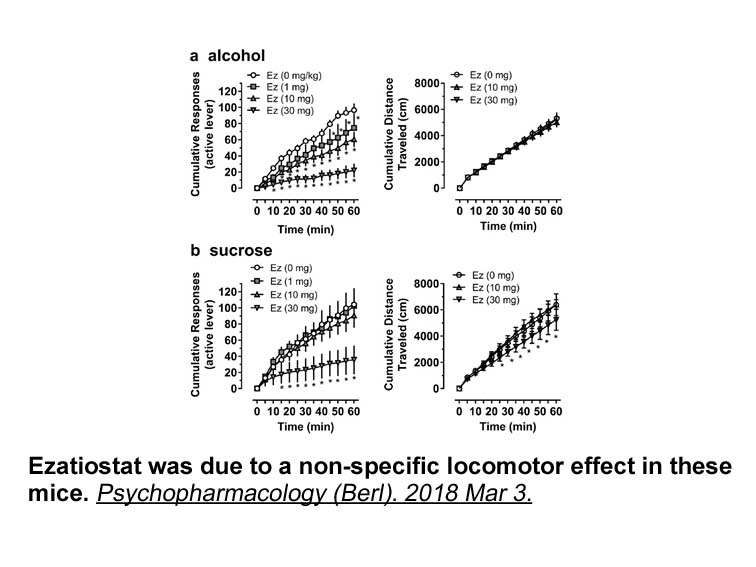
The cysteinyl leukotrienes (cysLTs) LTC, LTD, and LTE are increased in the airways of asthmatic subjects, with the ability to induce bronchoconstriction, vascular permeability, and mucus secretion., , , , CysLTs are well established as mediators of allergic rhinitis and asthma on the basis of the e
-
Nicotine is the main psychoactive component
2019-09-27
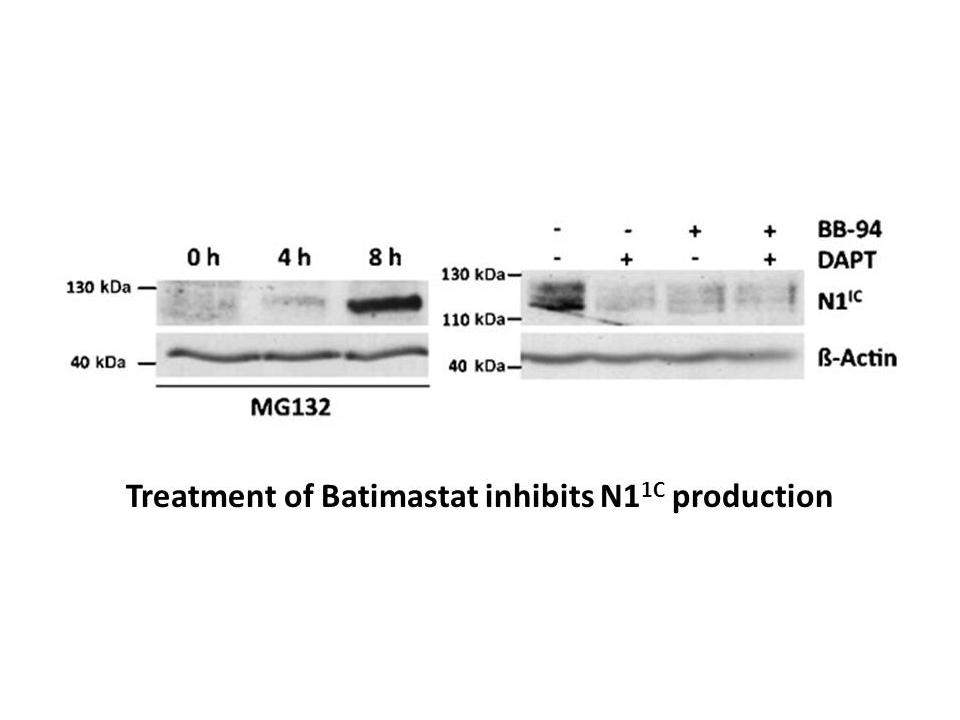
Nicotine is the main psychoactive component of tobacco that causes addiction. Besides the regulation of the stress responses, CRF has been implicated in nicotine addiction based on several lines of evidence (Bruijnzeel and Gold, 2005, Sarnyai et al., 2001). First, acute administration of nicotine, l
-
Characterization factor is another variable suggested in the
2019-09-27
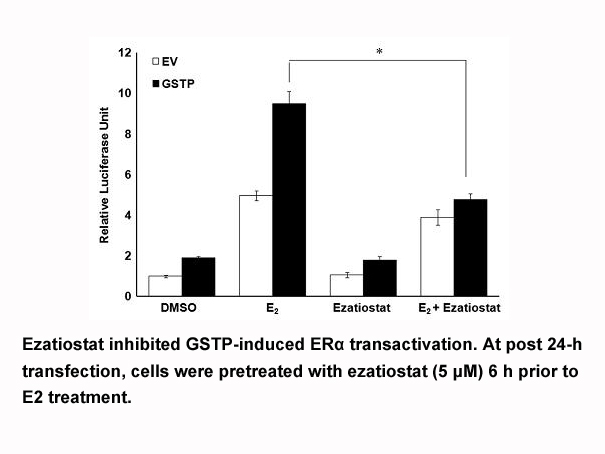
Characterization factor is another variable suggested in the presented correlation. Specific gravity (SG) and normal boiling point of hydrocarbons are needed to calculate Watson characterization factor [61], [62]: The boiling point of bitumen cannot be precisely measured, because bitumens contain
-
It is not precisely known which of the
2019-09-27
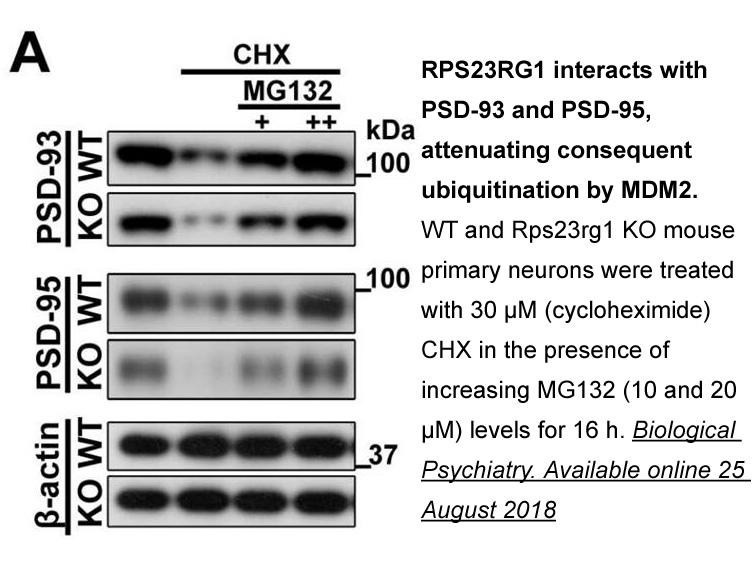
It is not precisely known which of the intramolecular interactions created by the SH2 domain, the SH3–SH2 linker and the SH2–kinase linker are essential for the catalytic activity of Csk or how these interactions regulate Csk activity. Thus far it has been shown that site-directed mutagenesis of SH3
-
The present study showed evidence that the
2019-09-26
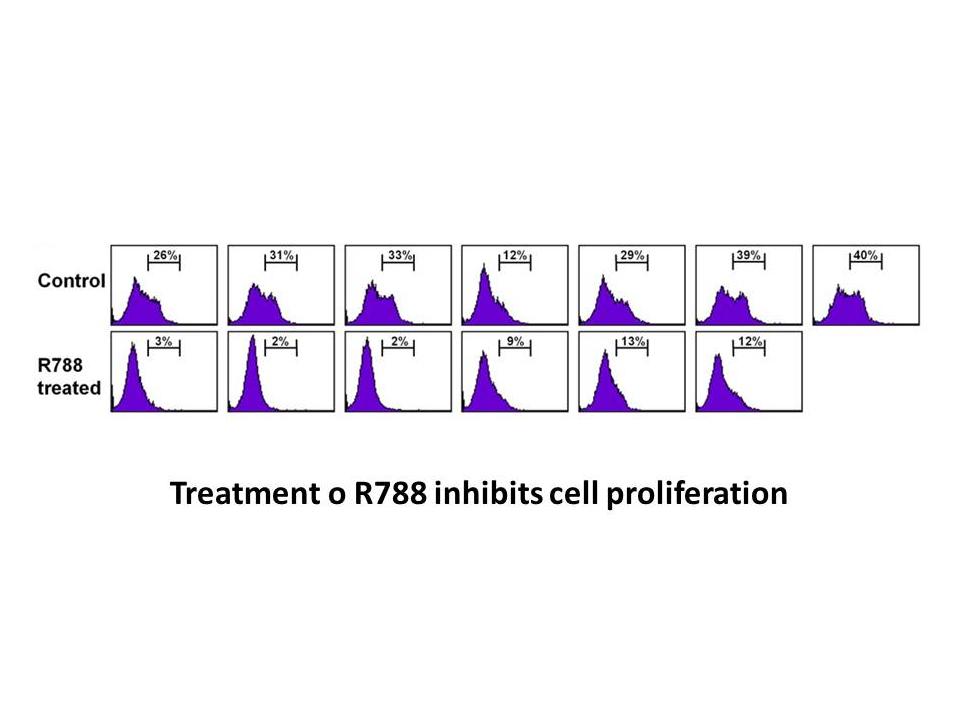
The present study showed evidence that the AT1 and the ETA receptors were not expressed near or on the plasma membrane as monomers, but also as possibly constitutive dimers and tetramers. For both receptors, the proportion of monomers, dimers and tetramers were unaffected by their respective agonist
-
Among the Ub interactions observed in
2019-09-26
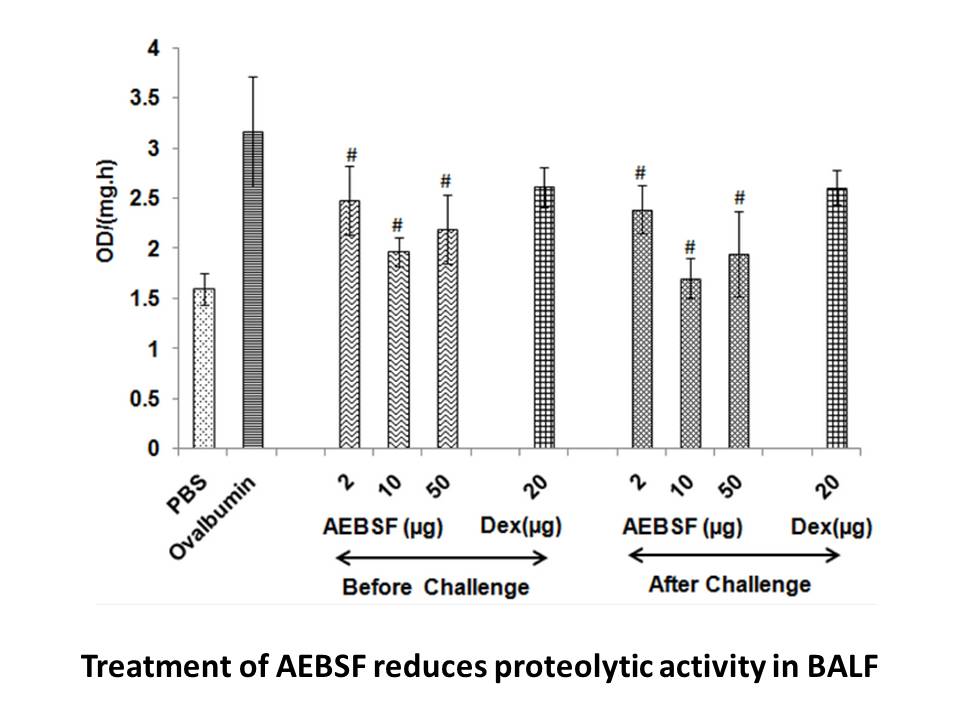
Among the ~Ub interactions observed in the HOIP structure is one that involves a RING2 domain (from the non-cognate HOIP) [47]. A similar binding interaction was defined between HHARI RING2 and the hydrophobic patch on Ub by NMR [54]. HHARI RING2 mutations that ablate the interaction inhibit formati
-
Concerning family A GPCRs although it has
2019-09-26
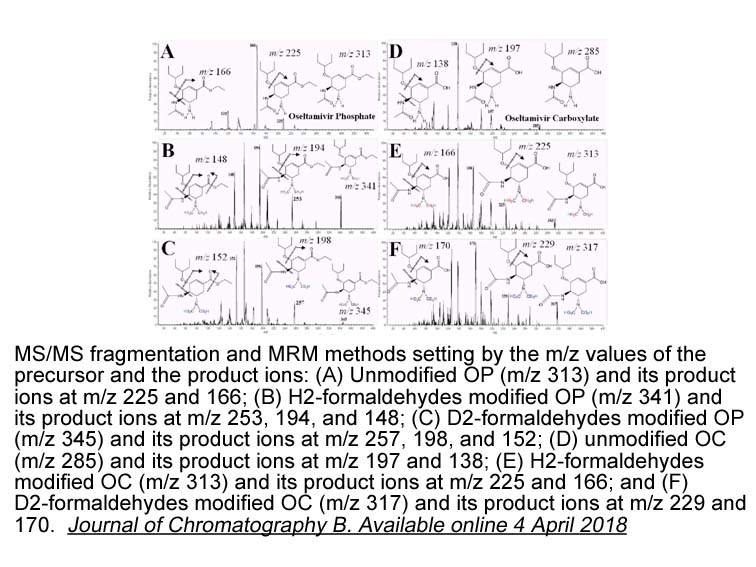
Concerning family A GPCRs, although it has been described that several receptors are able to operate as monomers (Arcemisbéhère et al., 2010; Bayburt et al., 2011; Chabre & le Maire, 2005; Ernst, Gramse, Kolbe, Hofmann, & Heck, 2007; Hanson et al., 2007; Kuszak et al., 2009; Whorton et al., 2007), e
-
br Acknowledgment This work was supported by the Estonian
2019-09-26

Acknowledgment This work was supported by the Estonian Science Foundation (Grant ETF8862). Introduction In higher eukaryotes ionizing-radiation (IR) induced DNA double-strand breaks (DSB) are primarily repaired by the non-homologous end joining (NHEJ) pathway [1]. Ku, a heterodimeric protein
-
Beyond phosphorylation cancer cells may alter pyrimidine bio
2019-09-26
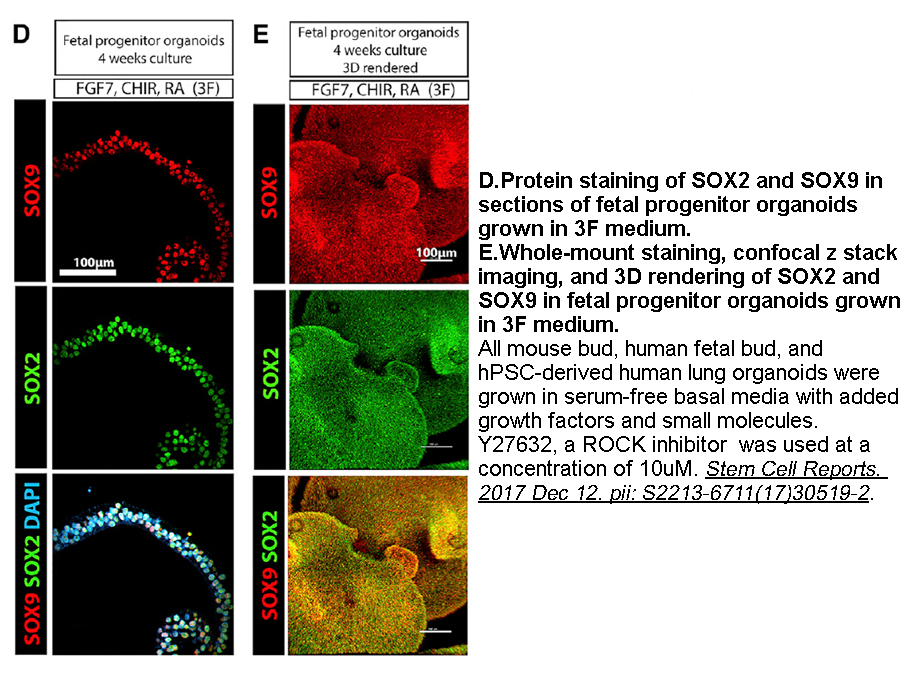
Beyond phosphorylation, cancer Chlorogenic acid may alter pyrimidine biosynthesis through the activation of the proto-oncogenic transcription factor MYC. MYC is a master regulator of many different pathways and has significant influence on the expression of nucleotide metabolism genes. Previous stu
-
baicalein kinase Studies of Jelski and Szmitkowski
2019-09-26
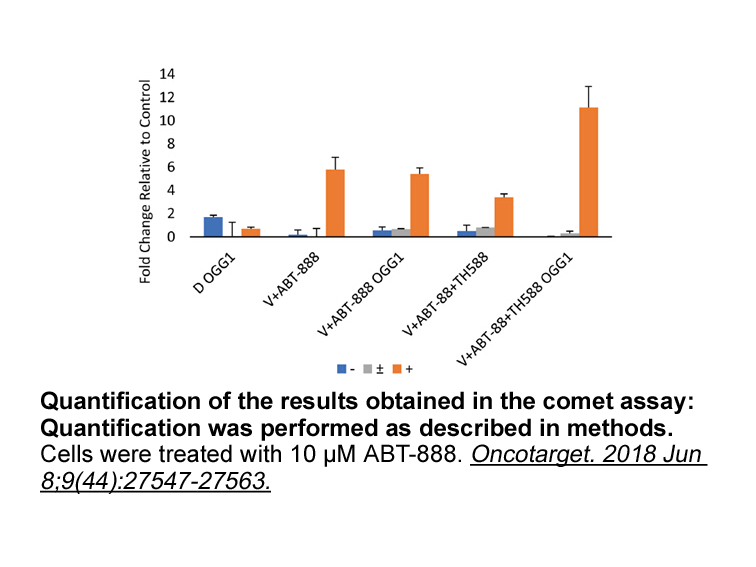
Studies of Jelski and Szmitkowski show that differences of alcohol dehydrogenase (ADH) and aldehyde dehydrogenase (ALDH) activity between baicalein kinase of many cancers and healthy tissue may be one of the factors intensifying carcinogenesis [7]. Moreover, changes of ADH and ALDH activity in cance
-
br Results and discussion br Conclusions An optimization stu
2019-09-26
Results and discussion Conclusions An optimization study of the dipeptidyl enoates was performed by chemical structure modifications (Fig. 5). Compound FGA50 displaying R configuration at C-3 was more active than its epimer FGA40. Two modifications of the chemical structure of FGA50 were done:
-
Irinotecan HCl Trihydrate and Converging evidence suggests t
2019-09-26

Converging evidence suggests that reduced glutamate transmission in the LS is linked to increased anxiety-like behaviors (Radulovic et al., 1999, Henry et al., 2006, Bakshi et al., 2002, Liu et al., 2004). Therefore, attenuated CRF1 receptor-mediated excitatory transmission in the LS following ASV-t
15673 records 957/1045 page Previous Next First page 上5页 956957958959960 下5页 Last page