Archives
- 2026-09
- 2026-08
- 2026-07
- 2026-06
- 2026-05
- 2026-04
- 2026-03
- 2026-02
- 2026-01
- 2025-12
- 2025-11
- 2025-10
- 2025-03
- 2025-02
- 2025-01
- 2024-12
- 2024-11
- 2024-10
- 2024-09
- 2024-08
- 2024-07
- 2024-06
- 2024-05
- 2024-04
- 2024-03
- 2024-02
- 2024-01
- 2023-12
- 2023-11
- 2023-10
- 2023-09
- 2023-08
- 2023-07
- 2023-06
- 2023-05
- 2023-04
- 2023-03
- 2023-02
- 2023-01
- 2022-12
- 2022-11
- 2022-10
- 2022-09
- 2022-08
- 2022-07
- 2022-06
- 2022-05
- 2022-04
- 2022-03
- 2022-02
- 2022-01
-
br Experimental br Acknowledgment This
2024-11-01

Experimental Acknowledgment This paper was financially supported by the Project Funded by China Postdoctoral Science Foundation (2017T100186), Natural Science Foundation of Liaoning Province (20170540858), General Scientific Research Projects of Department of Education of Liaoning Province (20
-
Unfortunately results of serum plasma AC assessment after
2024-11-01
Unfortunately, results of serum/plasma AC assessment after food antioxidant intake are rather controversial: although some papers reported an increase of AC after food antioxidant intake (Khan et al., 2015, Torabian et al., 2009), unexpectedly, in a lot of long-term intervention studies (days, weeks
-
Due to anatomical and physiologic
2024-11-01
Due to anatomical and physiologic characteristics of the eye, administration of ophthalmic medicines is difficult and many studies showed that only approximately 5% of the administrated dose are absorbed by intraocular tissues, making the treatment unfeasible for diseases located in posterior segmen
-
A number of studies suggest
2024-10-31

A number of studies suggest that adiponectin promotes osteoblast differentiation and bone formation by directly targeting GSK-3β and β-Catenin signaling [64], [65], favoring bone marrow mesenchymal stem cell (BMSC) differentiation toward the osteoblastic lineage [66], [67], decreasing sympathetic to
-
NS-398 ACK has been clearly implicated in
2024-10-31
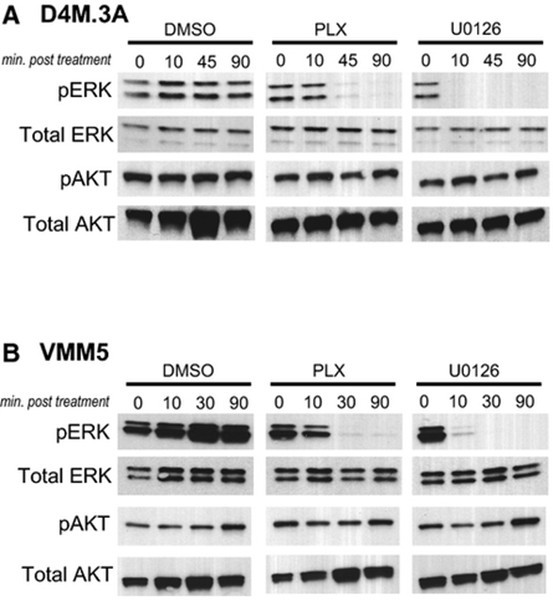
ACK1 has been clearly implicated in cancer progression in recent years. A strong correlation between ACK1 gene copy number, protein level and activity have been demonstrated in tumors of different tissue types (Mahajan et al., 2007; van der Horst et al., 2005; Wang et al., 2006). Our western blot an
-
The role of DHT in early teleost embryogenesis is
2024-10-31
The role of DHT in early teleost embryogenesis is not entirely clear or established, however additional studies that treat fish embryos to DHT or to specific srd5a inhibitors at critical stages of development (i.e. prior to sex differentiation) will shed light on the early functions of this androgen
-
Introduction Dementia is a common disease in the elderly
2024-10-31

Introduction Dementia is a common disease in the elderly, and a significant source of disability, healthcare spending, and long-term care admissions. There is evidence to suggest that testosterone plays a role in cognitive functioning, and lower serum levels correlate with higher amyloid deposits (
-
The present work has implications
2024-10-31
The present work has implications for our thinking about the effects of antidepressant (e.g. SSRIs) use on maternal care in depressed mothers which consist of approximately 10–20% of all mothers (Gjerdingen and Yawn, 2007, Susser et al., 2016), and more than 40% of depressed mothers are prescribed w
-
Aromatization of the pyrrole ring after anion
2024-10-31

Aromatization of the pyrrole ring after anion capturing, using acceptor atoms with electron deficiency (B & Be), and substitution of strong electron withdrawing groups such as CN were three strategies used to design a new class of anion receptors. Comparison of the anion affinities of these anion re
-
Another hypothesis is angiogenesis inhibition Angiogenesis i
2024-10-30
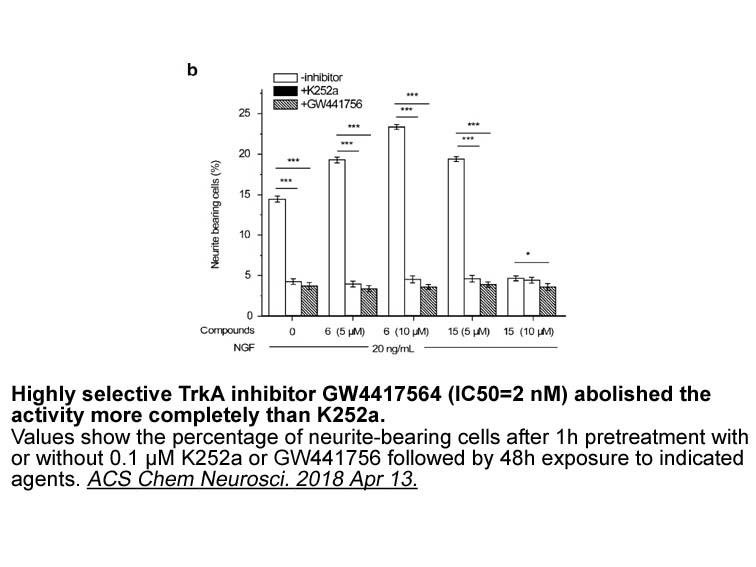
Another hypothesis is angiogenesis inhibition. Angiogenesis is a process that involves the growth, migration and differentiation of endothelial BI-1356 mg to form new blood vessels. Angiogenesis favorably influences tumor growth and also influences tumor invasion of vessels, resulting in tumor meta
-
First the complete canonical brain original RAS Angiotensino
2024-10-30
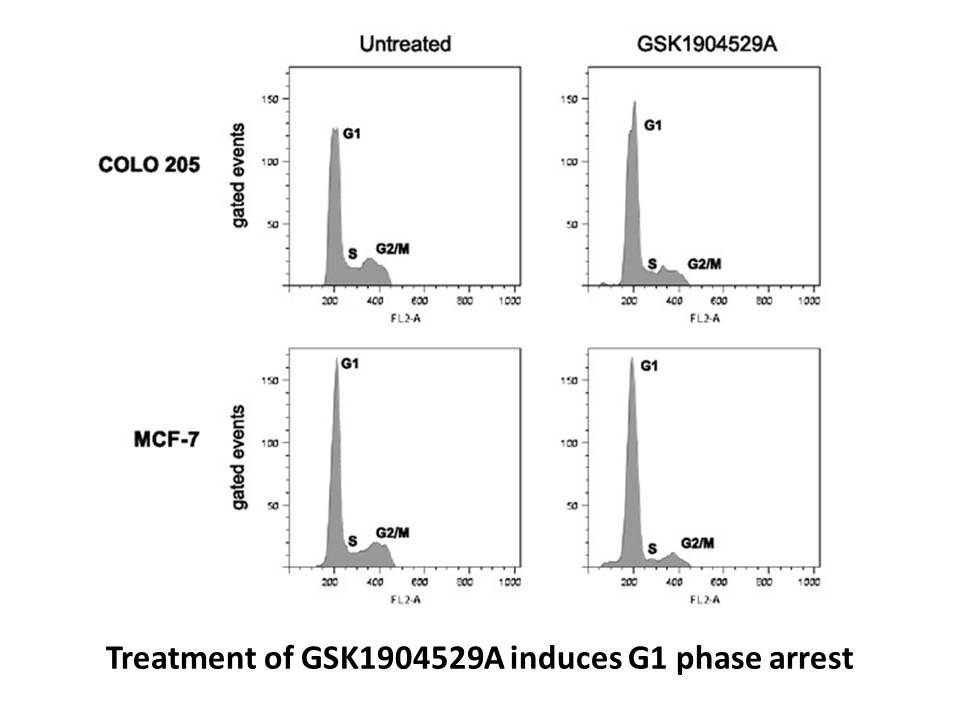
First, the complete canonical brain original RAS (Angiotensinogen, Renin, Angiotensin I, Angiotensin Converting Enzyme (ACE), Angiotensin II) has not been conclusively identified in any specific cell type within the brain [1]. Validated evidence for the presence of brain Angiotensinogen and ACE was
-
In mice the Tfm mutation increased the anxiety state
2024-10-30
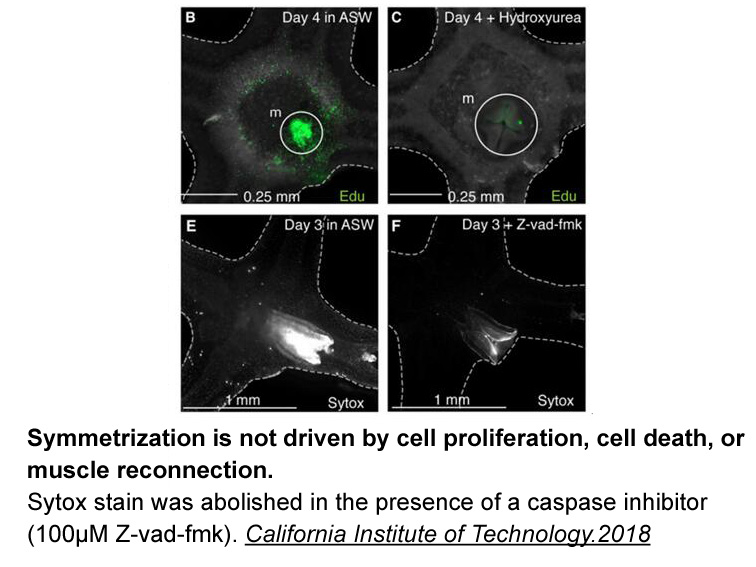
In mice, the Tfm mutation increased the anxiety-state assessed in the novel object and in light/dark box tests, whereas no changes were detected in the open field or elevated plus maze tasks (Zuloaga et al., 2008). As for Tfm rats, this seemed to be related to an increased HPA response to stress. Th
-
br Concluding Remarks and Future Perspectives br Disclaimer
2024-10-30

Concluding Remarks and Future Perspectives Disclaimer Statement Introduction Aldehyde dehydrogenase ALDHs (E.C. 1.2.1.3) are multigene family of NAD(P)+-dependents group of structurally and functionally related ubiquitously distributed enzymes involved in the specific and irreversible oxida
-
Atypically BcALDH has a minor reducing activity for all tran
2024-10-30
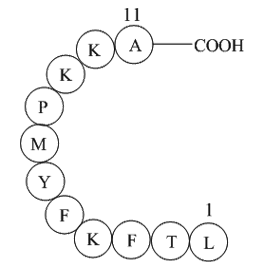
Atypically, BcALDH has a minor reducing activity for all-trans-retinal, which requires the binding of the reduced form of the NADP+ (NADPH) cofactor that is a side-product of the canonical oxidation activity of BcALDH. The reduction activity that converts all-trans-retinal to all-trans-retinol was r
-
Nrf br AhR br Nrf and AhR friends or foes
2024-10-30
Nrf2 AhR Nrf2 and AhR: friends or foes for energetic metabolism? Perspectives in carcinogenesis upon xenobiotic exposure Acknowledgements Introduction Integration of endogenous and exogenous signals via appropriate receptors is at the core of biological differentiation and adaptive r
7749 records 93/517 page Previous Next First page 上5页 9192939495 下5页 Last page