Archives
- 2026-06
- 2026-05
- 2026-04
- 2026-03
- 2026-02
- 2026-01
- 2025-12
- 2025-11
- 2025-10
- 2025-03
- 2025-02
- 2025-01
- 2024-12
- 2024-11
- 2024-10
- 2024-09
- 2024-08
- 2024-07
- 2024-06
- 2024-05
- 2024-04
- 2024-03
- 2024-02
- 2024-01
- 2023-12
- 2023-11
- 2023-10
- 2023-09
- 2023-08
- 2023-07
- 2023-06
- 2023-05
- 2023-04
- 2023-03
- 2023-02
- 2023-01
- 2022-12
- 2022-11
- 2022-10
- 2022-09
- 2022-08
- 2022-07
- 2022-06
- 2022-05
- 2022-04
- 2022-03
- 2022-02
- 2022-01
- 2021-12
- 2021-11
- 2021-10
- 2021-09
- 2021-08
- 2021-07
- 2021-06
- 2021-05
- 2021-04
- 2021-03
- 2021-02
- 2021-01
- 2020-12
- 2020-11
- 2020-10
- 2020-09
- 2020-08
- 2020-07
- 2020-06
- 2020-05
- 2020-04
- 2020-03
- 2020-02
- 2020-01
- 2019-12
- 2019-11
- 2019-10
- 2019-09
- 2019-08
- 2019-07
- 2019-06
- 2019-05
- 2019-04
- 2018-07
-
Our recent discovery M P H
2021-05-05
Our recent discovery (M.P., H.R., A.S.) of a highly selective and in vivo active DDR1 small-molecule inhibitor provides evidence that DDR1 is a druggable pharmaceutical target, and some details of our efforts are provided below. To avoid the repurposing of known kinase inhibitor structural motifs, w
-
A surprising second functional effect was found in
2021-05-05
A surprising second functional effect was found in culture experiments. Inclusion of LTD4 reduced the frequency of Fas receptor (CD95) expression. Once again, this effect, although modest, was reversed by a cysLT1 receptor antagonist. The biologic significance of this effect or its mechanism remaine
-
A more refined picture of cholinesterase activity patterns m
2021-04-30
A more refined picture of cholinesterase activity patterns may be obtained by measuring ChE activity of the same sample before and after addition of certain cholinesterase inhibitors, with differential specificity for different components of total ChE activity, such as BW284c51 (BW1,5-bis-(4-allyldi
-
The present study sought to determine if chlorodifluoroaceto
2021-04-30
The present study sought to determine if chlorodifluoroacetophenones, such as 3 and 4, were amenable to a radiolabelling methodology to generate potential 18F imaging agents with high cholinesterase affinity. A number of procedures have been reported for the synthesis of trifluoromethyl ketones, inc
-
1080 6 br Acknowledgments br Introduction Cholesterol is an
2021-04-30
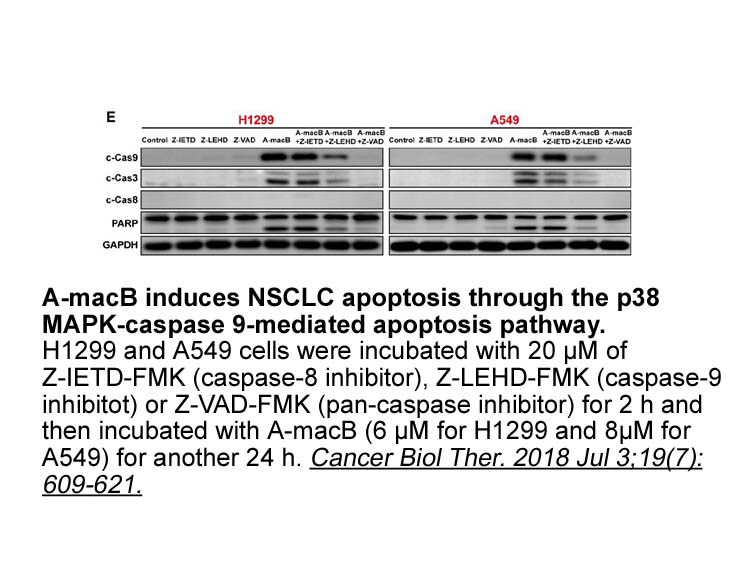
Acknowledgments Introduction Cholesterol is an essential lipid for the development, growth, and wellbeing of humans. In newborn children, cord blood cholesterol concentration is 1.5 mmol/l, on average [[1], [2], [3], [4]]. During the first year of life, cholesterol concentration in serum incre
-
Several studies have already shown that mPR activation can s
2021-04-30
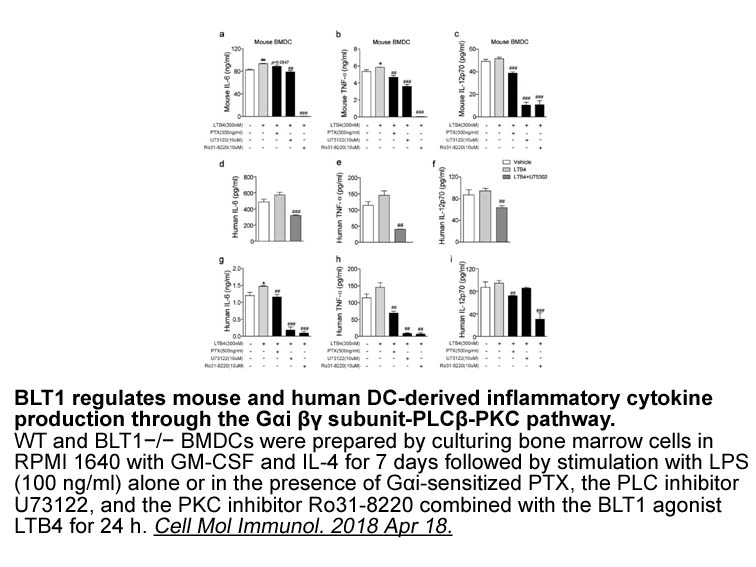
Several studies have already shown that mPR activation can significantly reduce intracellular cAMP levels in different kind of cells, such as GT1-7 neuronal cells [32], MDA-MB-468 breast cancer cells [55] and primary vascular endothelial cells [56]. The experiments performed with PTXa and 8-Br-cAMP
-
The GH family includes also xylanases which
2021-04-30
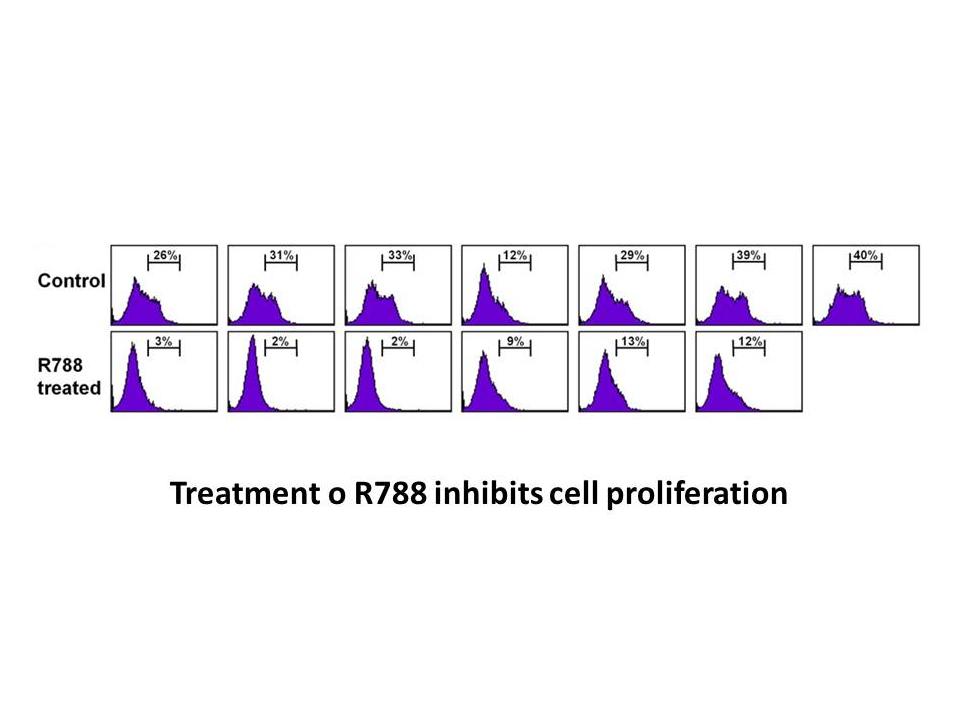
The GH30 family includes also xylanases which are not MeGlcA-dependent. Most of them are grouped to GH30_7 subfamily that includes XynIV from Trichoderma reesei showing exo- and endo-xylanase activity [11] and XYLD from Bispora sp. MEY-1 [12] having activity towards glucuronoxylan and arabinoxylan,
-
Homologous recombination HR has important roles
2021-04-30
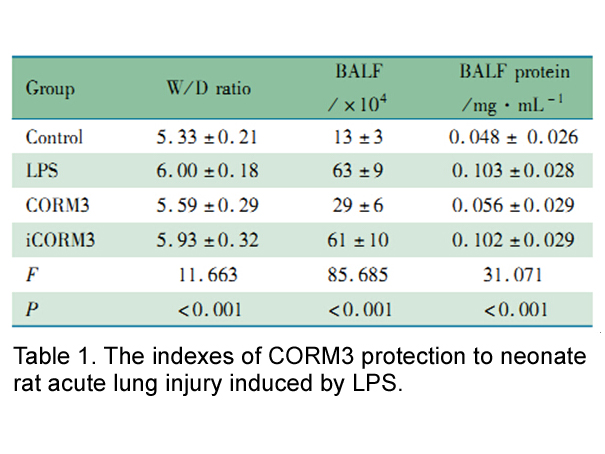
Homologous recombination (HR) has important roles in the repair of stalled or collapsed DNA replication forks, as well as of DNA double-strand breaks. Among the factors required for HR in human vorinostat are RAD51, BRCA1, and BRCA2 (Davies et al., 2001, Sung and Klein, 2006, Xia et al., 2001). BRC
-
In this paper we describe a facile and universal
2021-04-30
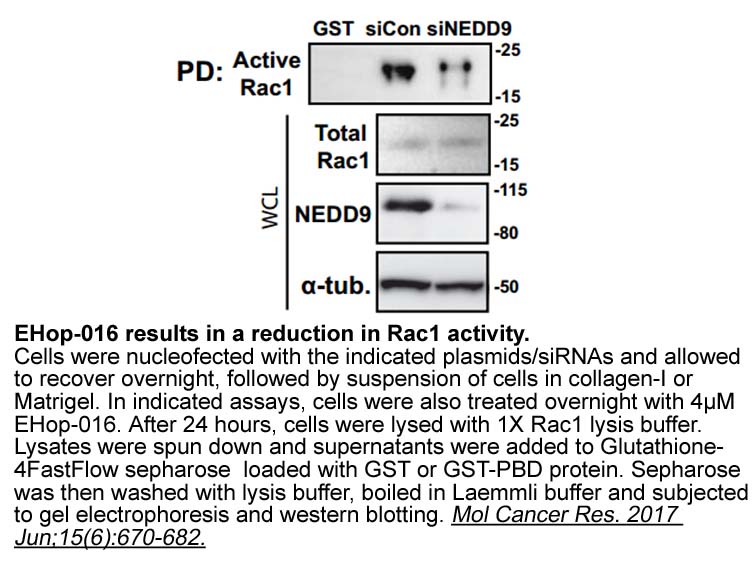
In this paper, we describe a facile and universal method for in situ crosslinking of DNA micelles, using spherically directed reduction of metal ions. As shown in Scheme 1A, a single-stranded DNA (ssDNA) consisting of a ligand domain, a template domain, and a lipid domain was designed as a monomer t
-
sik inhibitor br Cytokines as targets for the
2021-04-30
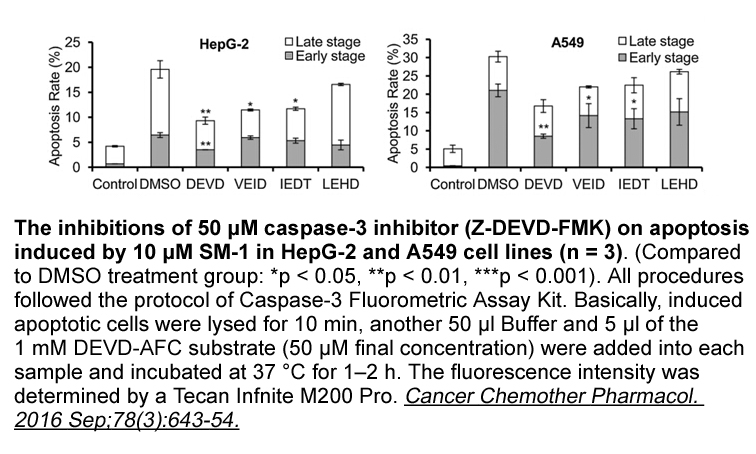
Cytokines as targets for the development of drugs Since the first scientific evidence describing the large number of cytokines and their functional roles and involvement in molecular mechanism of various diseases or disorders researchers have targeted cytokines. (Isaacs and Lindenmann, 1957), Des
-
Experiments on the rat model of
2021-04-30
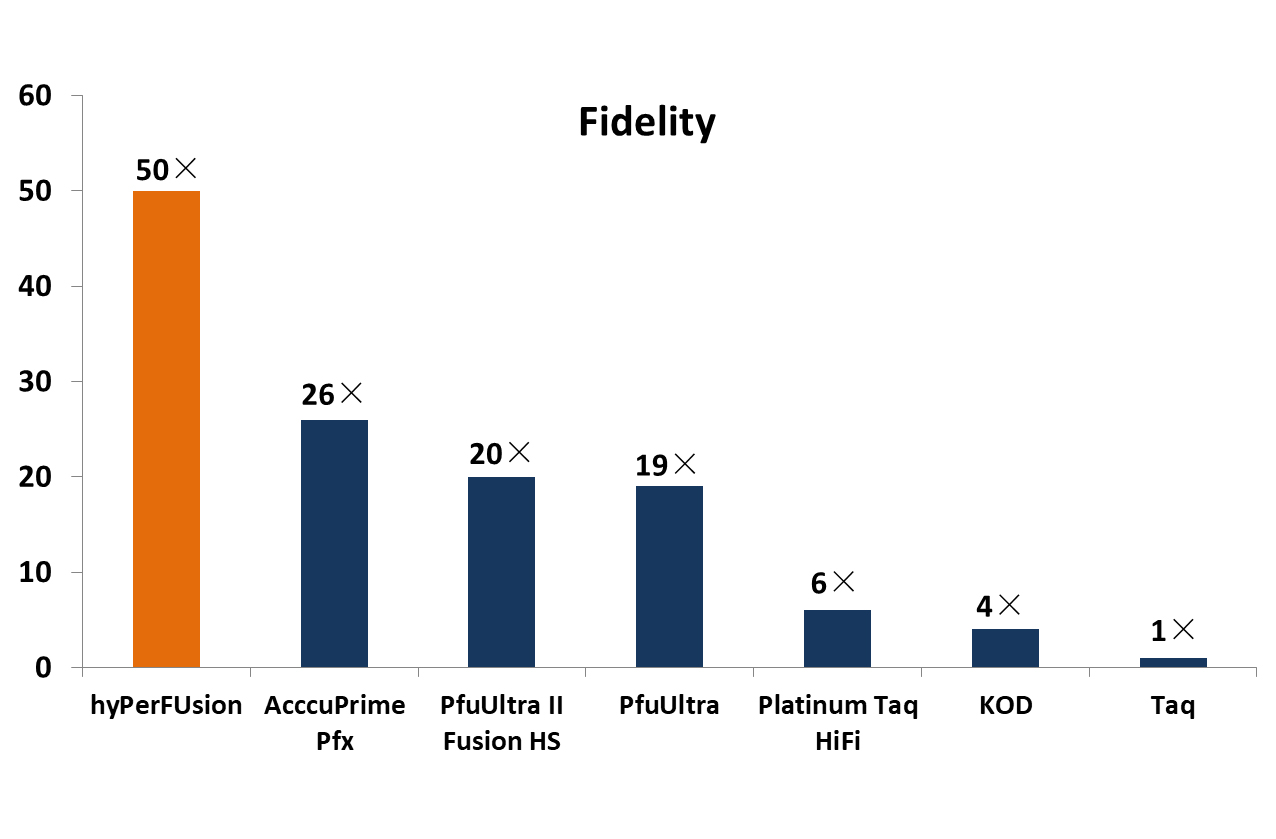
Experiments on the rat model of E. coli pyelonephritis, performed to investigate the relationship between the acute inflammatory processes and the permanent kidney damage (Brooks et al., 1974), have demonstrated a positive correlation between the degree of free radical-mediated renal injury and the
-
In conclusion our work provides
2021-04-30
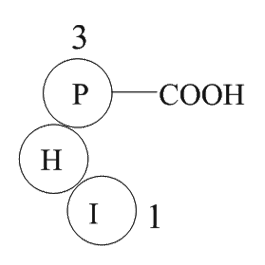
In conclusion, our work provides the preclinical evidence showing the potent in vivo efficacy of AT7519 on chemoresistant cancer AG 1879 and its underlying mechanisms of action. Our work supports the biological rationale behind the clinical trials initiated with AT7519, particularly for the treatmen
-
br Results br Discussion Unraveling the molecular details of
2021-04-30
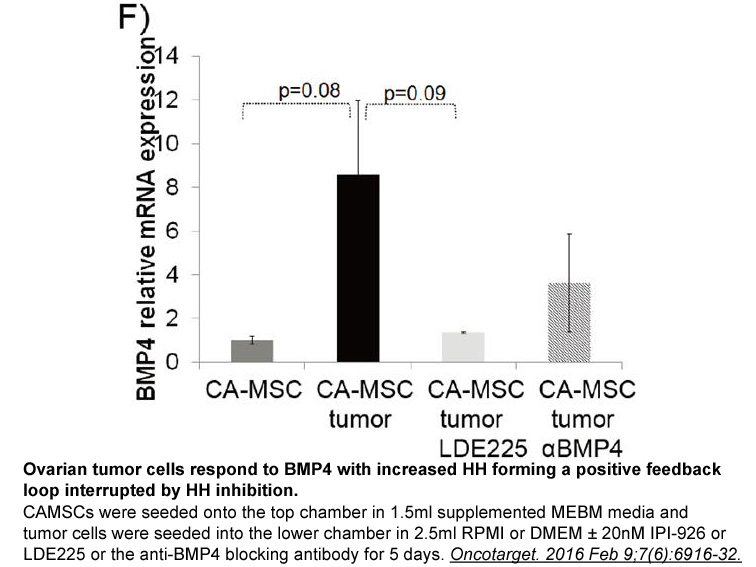
Results Discussion Unraveling the molecular details of nucleoporin-karyopherin interactions, which have to be strong enough to promote transport but sufficiently weak to avoid stalling of transport complexes within the pore, is key to our understanding of the mechanisms of nucleocytoplasmic tr
-
Splitomicin br Materials and methods br Results br
2021-04-30

Materials and methods Results Discussion This study is the first to our knowledge that describes upstream cis-elements and transcription factors that are important for Crm1 expression and that drive its high expression in cancer and transformed cells. Using deletion and mutation analysis w
-
Another question concerns the mechanism of PC reduction duri
2021-04-30
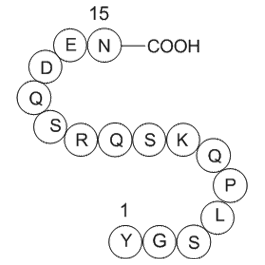
Another question concerns the mechanism of PC reduction during the phosphate starvation response. There are at least three main mechanisms of PC depletion: suppression of PC synthesis due to substrate exhaustion, downregulation of PC synthase expression by suppression of gene transcription or intens
15680 records 649/1046 page Previous Next First page 上5页 646647648649650 下5页 Last page