Archives
- 2026-06
- 2026-05
- 2026-04
- 2026-03
- 2026-02
- 2026-01
- 2025-12
- 2025-11
- 2025-10
- 2025-03
- 2025-02
- 2025-01
- 2024-12
- 2024-11
- 2024-10
- 2024-09
- 2024-08
- 2024-07
- 2024-06
- 2024-05
- 2024-04
- 2024-03
- 2024-02
- 2024-01
- 2023-12
- 2023-11
- 2023-10
- 2023-09
- 2023-08
- 2023-07
- 2023-06
- 2023-05
- 2023-04
- 2023-03
- 2023-02
- 2023-01
- 2022-12
- 2022-11
- 2022-10
- 2022-09
- 2022-08
- 2022-07
- 2022-06
- 2022-05
- 2022-04
- 2022-03
- 2022-02
- 2022-01
- 2021-12
- 2021-11
- 2021-10
- 2021-09
- 2021-08
- 2021-07
- 2021-06
- 2021-05
- 2021-04
- 2021-03
- 2021-02
- 2021-01
- 2020-12
- 2020-11
- 2020-10
- 2020-09
- 2020-08
- 2020-07
- 2020-06
- 2020-05
- 2020-04
- 2020-03
- 2020-02
- 2020-01
- 2019-12
- 2019-11
- 2019-10
- 2019-09
- 2019-08
- 2019-07
- 2019-06
- 2019-05
- 2019-04
- 2018-07
-
Ultimately the change of maturation ratio
2021-10-11
Ultimately, the change of maturation ratio of the Leydig cell caused reducing of INSL3 expression undoubtedly. INSL3 (insulin-like 3) is a hormone produced mainly in gonadal tissues. It was discovered to participate in development of urogenital tract. The mutations of this gene is one cause of crypt
-
Additionally molecular imaging has great potential for
2021-10-11
Additionally, molecular imaging has great potential for noninvasive and quantitative imaging of pancreatic β-cells, but each single imaging modality has its own intrinsic strengths and limitations. Functional imaging modalities have high sensitivity (such as SPECT and PET) and anatomical imaging tec
-
To facilitate the development of novel diagnostic
2021-10-11

To facilitate the development of novel diagnostic and therapeutic interventions in NASH, a plethora of animal models have been used to identify molecular targets that are involved in the onset and progression of NASH. In view of recent advances in the understanding of the pathogenesis of NASH and pr
-
In this study for the first time the
2021-10-11
In this study, for the first time: 1) the electrochemical glutamate oxidase-based biosensor was optimized for the determination of low micromolar glutamate concentrations; 2) the algorithm of the analysis of exocytotic and transporter–mediated glutamate release was developed; 3) the comparative anal
-
br Author contribution br Declaration of interest br Acknowl
2021-10-11
Author contribution Declaration of interest Acknowledgements This work was supported by National Natural Science Foundation of China (Grants 81473093) and State Key Laboratory of Drug Research, Shanghai Institute of Materia Medica (SIMM1601ZZ-02). Introduction Diabetes represents a majo
-
Genomic studies have afforded new insight into
2021-10-11
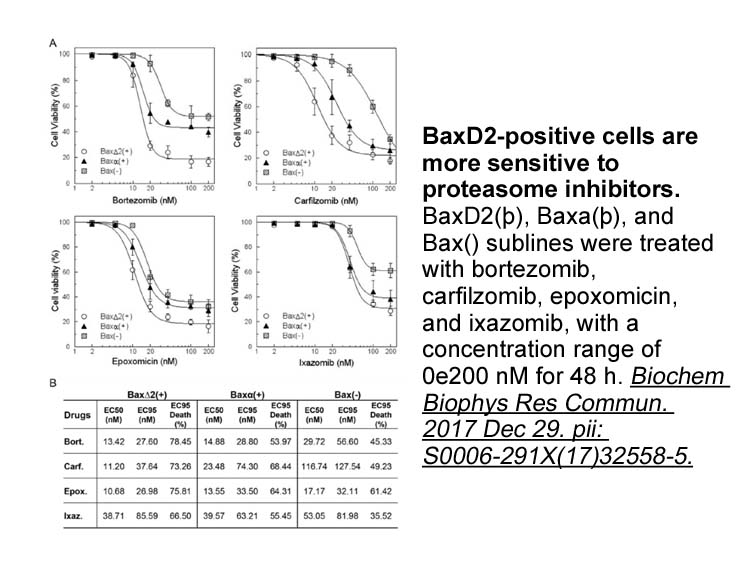
Genomic studies have afforded new insight into the influence of gw501516 structure on GR binding. An important clue came from genome-wide mapping of chromatin structure using DNase I hypersensitive site sequencing (DNase-seq), and comparing the locations of open chromatin to GBSs [10]. DNase-seq in
-
Next we asked how a common activation marker of fibroblasts
2021-10-11
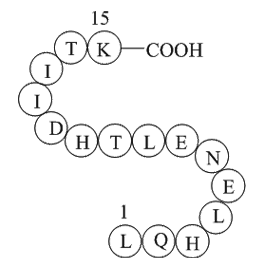
Next, we asked how a common activation marker of fibroblasts, Acta2, defined gene expression signatures in alveolar airspaces by using Acta2-mKO1 reporter mice (Fig. 2A). In the lungs of Acta2-mKO1 mice, mKO1 was expressed in smooth muscle cells and mesenchymal cells in Mitomycin C (Fig. 2B). By so
-
Estrus expression after removal of P
2021-10-11
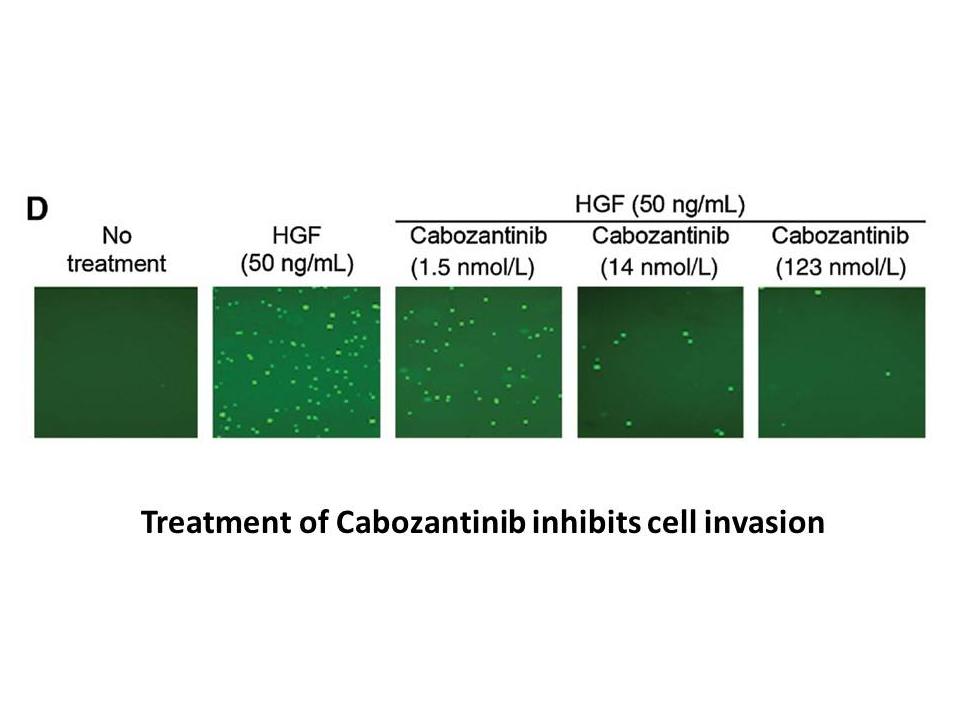
Estrus TAE226 after removal of P4 insert and before TAI is a clear predictor of greater P/AI in protocols that use GnRH [6,8], EB, or ECP [10,18] as ovulation inducers. Therefore, our third hypothesis was that heifers showing estrus behavior would have greater P/AI, which was supported in both treat
-
Given the important role of
2021-10-11
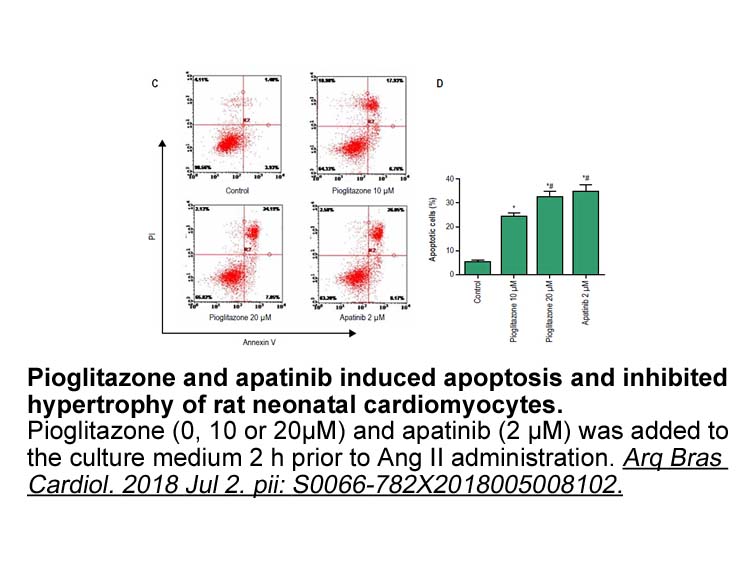
Given the important role of Cx43 in maintaining the function of gap junctions, to investigate the effects of stress on Cx43 may be an important step towards understanding the mechanism underlying CUS-induced dysfunction of gap junctions. Corticosterone (CORT), as an important stress hormone, has bee
-
br Galanin in depression A major impediment in depression
2021-10-11

Galanin in depression A major impediment in depression research is the lack of validated animals´ models. Animals not only lack consciousness of self, self-reflection and consideration of others but also hallmarks of the disorder such as depressed mood, low self-esteem or suicidal intent are hard
-
Similarly spectrophotometric titrations were carried out und
2021-10-09
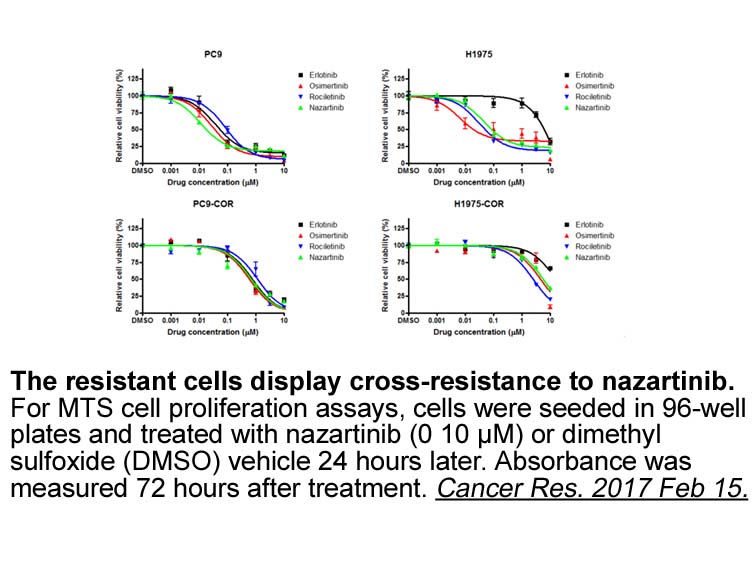
Similarly, spectrophotometric titrations were carried out under conditions identical to those used for the fluorescence titrations. exhibited a predominant DC_AC50 band at around 493 nm. The titrations with all G-quadruplex DNAs resulted in a hypochromic effect along with a bathochromic shift of t
-
Recent research has focused on identifying key agonists
2021-10-09
Recent research has focused on identifying key agonists and receptors mediating nutrient-induced GLP-1 and insulin secretion. The long-chain fatty Acetazolamide receptor GPR40 is the most abundant GPCR expressed in islet β cells and is also expressed on intestinal L-cells, where it contributes to G
-
Neither E nor Z FPP synthase catalyzed the
2021-10-09

Neither E- nor Z-FPP synthase catalyzed the reaction between 8-THPOGPP and IPP. However, a mutant E-FPP synthase (Y81S) produced 12-THPOFPP from the substrates 8-THPOGPP and IPP, and wild-type E-FPP synthase catalyzed the reaction betweeen 8-AcOGPP and IPP producing 12-AcOFPP. Mutant E-FPP synthase
-
AGK7 TLRs were originally identified as
2021-10-09
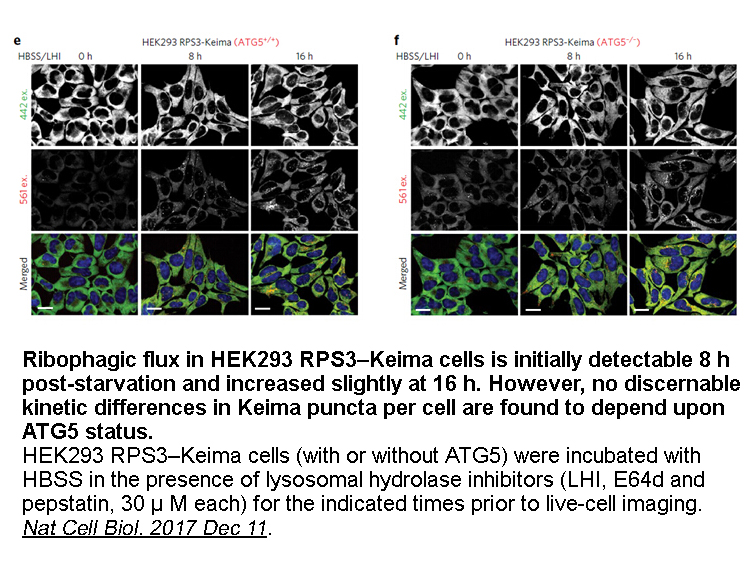
TLRs were originally identified as pathogen-associated molecular pattern recognition receptors that recognized exogenous ligands in response to infection [31]. In cirrhotic mice or patients, the gastrointestinal tract produces and absorbs considerable bacterial LPS with increased permeability of the
-
H R antagonism can prevent
2021-10-09
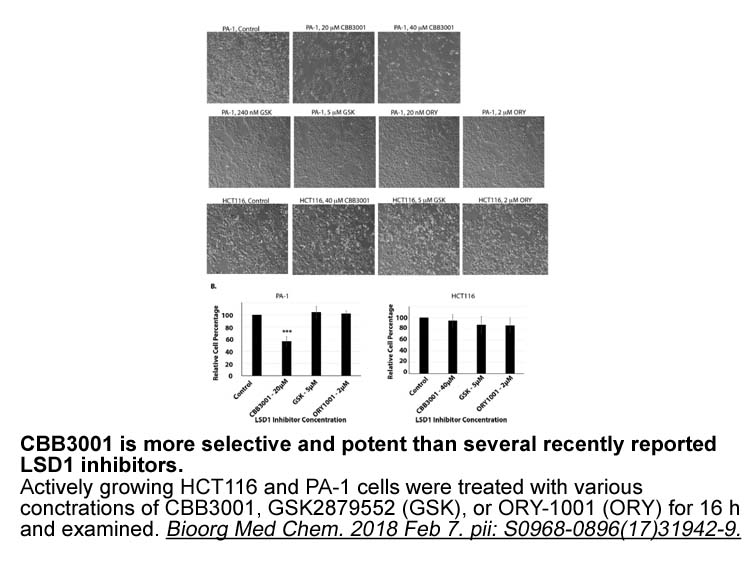
H3R antagonism can prevent seizure development and improve working memory through the activation of histaminergic neurons (Huang et al., 2004, Zhang et al., 2003). In addition, we have recently found that H3R antagonism protects against ischemia-reperfusion injury via histamine-independent mechanism
15678 records 557/1046 page Previous Next First page 上5页 556557558559560 下5页 Last page