Archives
- 2026-09
- 2026-08
- 2026-07
- 2026-06
- 2026-05
- 2026-04
- 2026-03
- 2026-02
- 2026-01
- 2025-12
- 2025-11
- 2025-10
- 2025-03
- 2025-02
- 2025-01
- 2024-12
- 2024-11
- 2024-10
- 2024-09
- 2024-08
- 2024-07
- 2024-06
- 2024-05
- 2024-04
- 2024-03
- 2024-02
- 2024-01
- 2023-12
- 2023-11
- 2023-10
- 2023-09
- 2023-08
- 2023-07
- 2023-06
- 2023-05
- 2023-04
- 2023-03
- 2023-02
- 2023-01
- 2022-12
- 2022-11
- 2022-10
- 2022-09
- 2022-08
- 2022-07
- 2022-06
- 2022-05
- 2022-04
- 2022-03
- 2022-02
- 2022-01
-
In light of several reports of defects in memory
2024-04-07
In light of several reports of defects in memory-related tasks for the dysbindin-deficient mice (Cox et al., 2009, Takao et al., 2008), it was rather unexpected that an enhancement of CA3–CA1 LTP was observed in our investigation as well as in another independent study (T.T. Tang et al., 2009). The
-
As one of emerging high throughout
2024-04-07
As one of emerging high-throughout methods, metabolomics detects metabolites which are ultimate response of biological systems to environmental changes [14]. Metabolomics uncovers metabolic alteration at the systems level. Comparison of global metabolic profiling reflects some unidentified biologica
-
2665 Since the first studies of
2024-04-07
Since the first studies of betaine aldehyde oxidation in rats [13], the participation of betaine in the detoxification of homocysteine has well described, considering the activity of other 2665 as betaine homocysteine methyltransferase and methionine synthase. But, there is a lack of attention when
-
The macrophage is the major cell
2024-04-07
The macrophage is the major cell type responsible for cholesterol uptake and metabolism associated with the initiation and progression of atherosclerosis in focal areas of the arterial subendothelial space. In advanced atherosclerotic lesions of cardiovascular disease, cholesterol-induced macrophage
-
The AR signalling pathways play important roles in several
2024-04-07
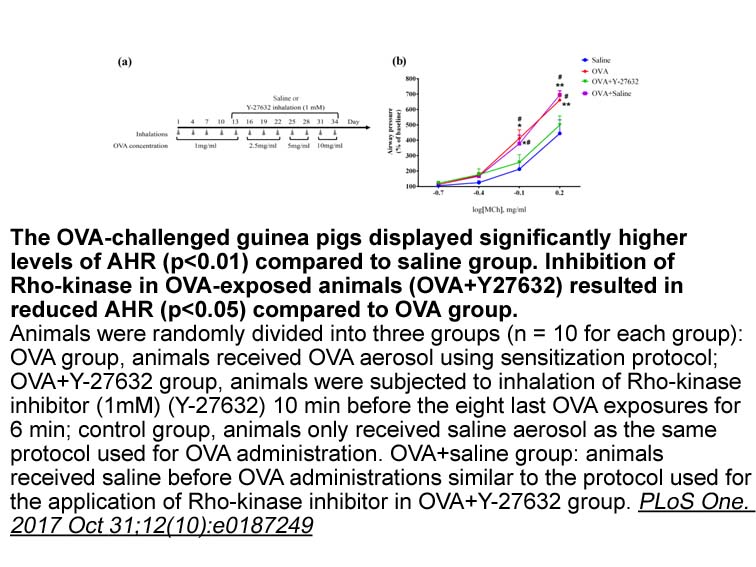
The AR signalling pathways play important roles in several physiopathological processes associated with ischaemia, inflammation, and tumourigenesis [35]. Moreover, A3AR is overexpressed in different tumour RPC1063 and seems implicated in pro- or anti-apoptotic effects [36]. In particular, activatio
-
br In our experience br History of ER and
2024-04-03
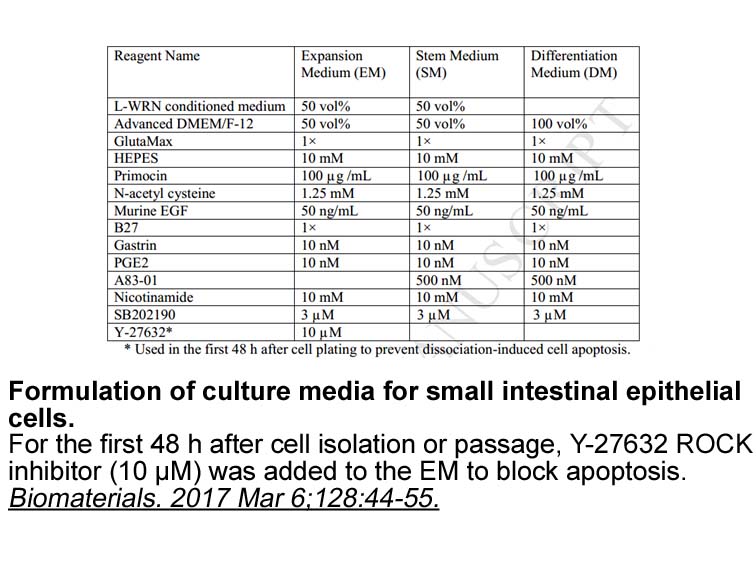
In our experience History of ER and ACh tests As shown in Table 1, Stein et al. first reported the usefulness of intravenous injection of ER in diagnosing coronary insufficiency in 1949 [16]. In 1972, the first ER spasm provocation test was employed at the Cleveland Clinic during cardiac cathe
-
Introduction Dementia is a common disease in
2024-04-03
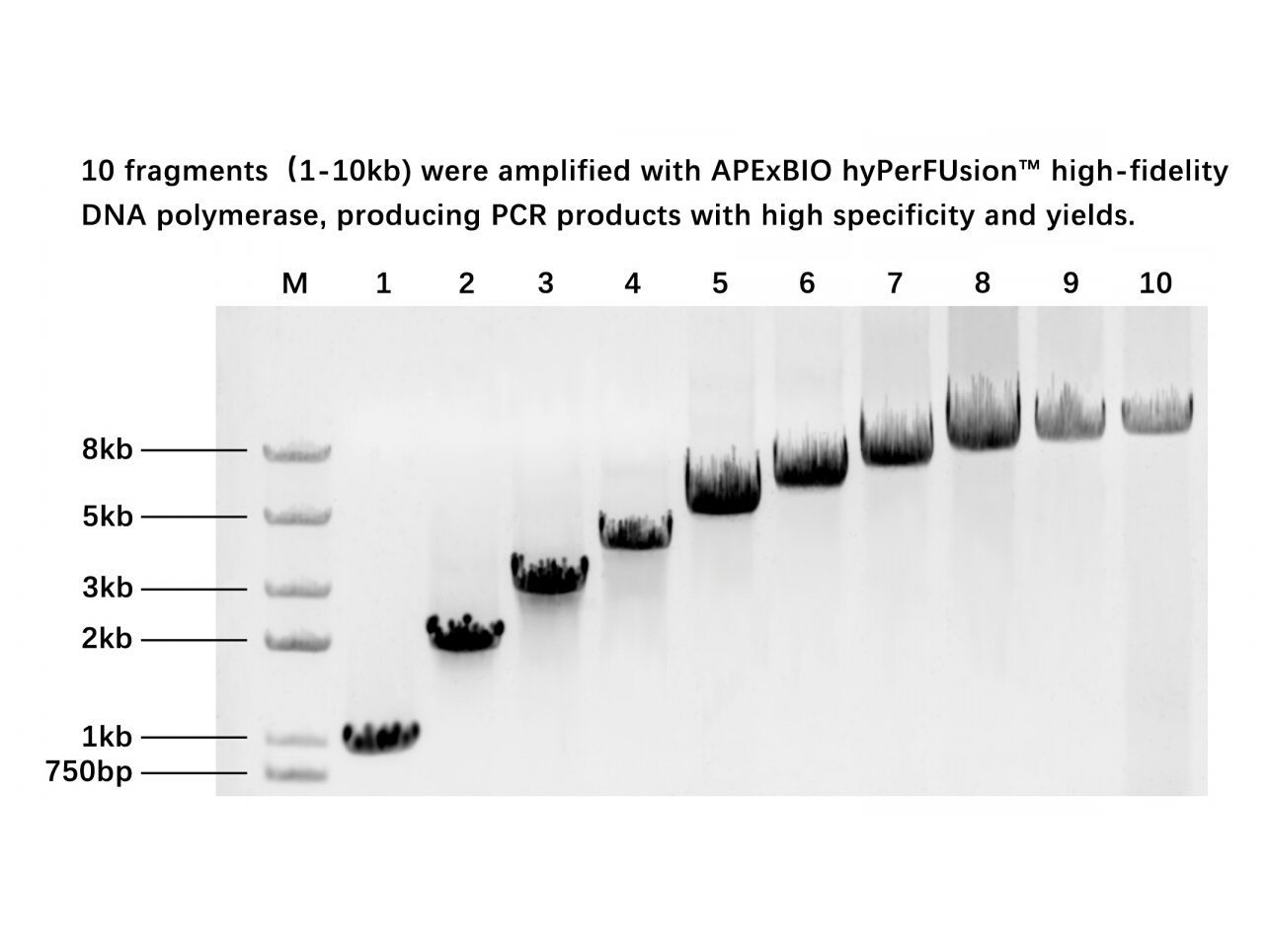
Introduction Dementia is a common disease in the elderly, and a significant source of disability, healthcare spending, and long-term care admissions. There is evidence to suggest that testosterone plays a role in cognitive functioning, and lower serum levels correlate with higher amyloid deposits
-
Using our infection assays we
2024-04-03

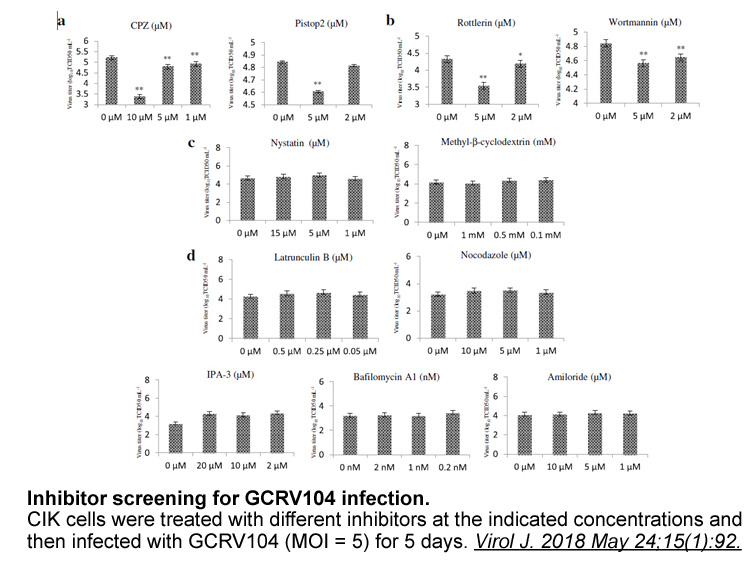
Using our infection assays, we also explored whether low-pH compartments were required for the entry of ZIKVs in mammalian cells. Lysosomotropic agents such as ammonium chloride, chloroquine and Bafilomycin A1, strongly inhibited the ability of ZIKVs to enter mammalian cells. Our results are in agre
-
br Autophagy at the Synapse The synapse is a
2024-04-03
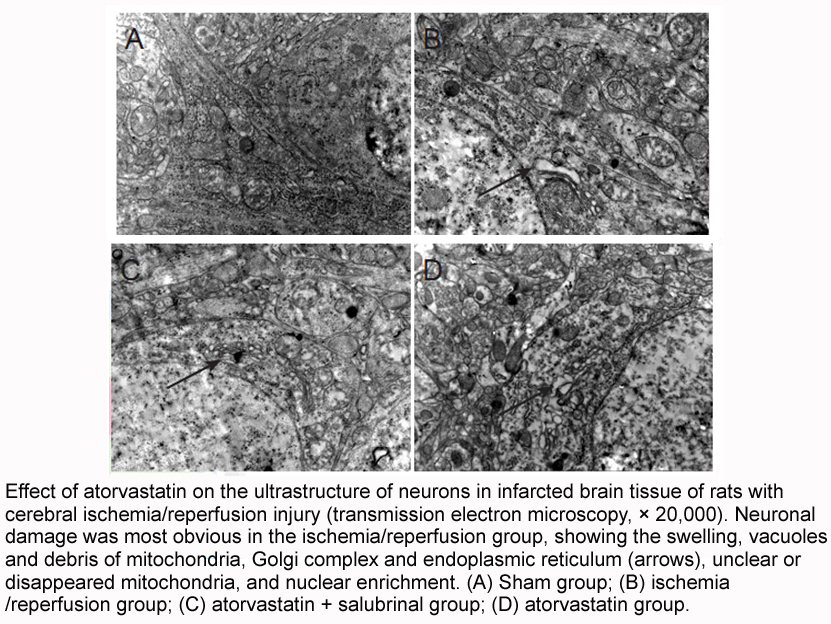
Autophagy at the Synapse The synapse is a highly specialized neuronal compartment that forms the basic unit of communication between neurons. Communication relies on electrical signals that are propagated down the axon of the presynaptic neuron, where they trigger the quantal release of neurotran
-
Our results clearly demonstrate that inhibition
2024-04-03
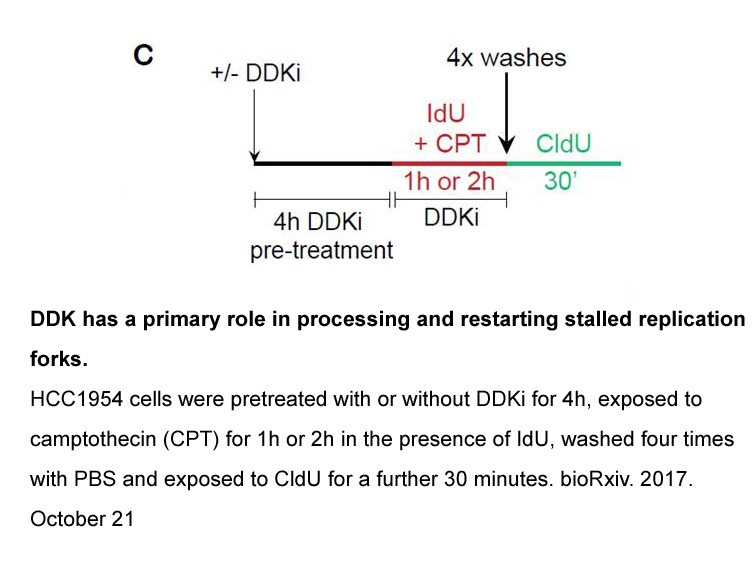
Our results clearly demonstrate that inhibition of ATM pathway activation results in resistance to Vγ2Vδ2 T cell-mediated cell death. Therefore, enhancing ATM activation along with Vγ2Vδ2 T cell treatment would promote the cytotoxicity of resistant ovarian cancer cells. To our knowledge, this is the
-
br Materials and methods br Results br
2024-04-03
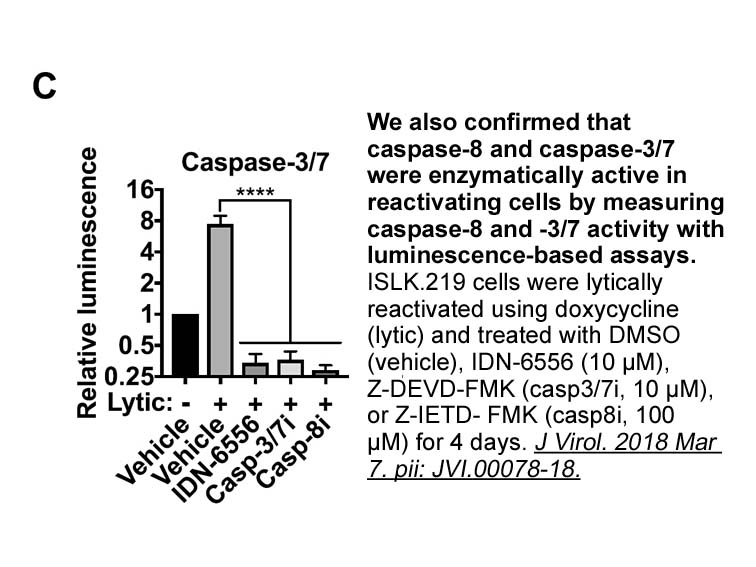
Materials and methods Results Discussion I/R injury is characterized by myocardial damage triggered by the ischemic insult followed by reperfusion injury. While the primary insult depends mainly on the severity and duration of blood flow restriction and the breakdown of ATP-dependent RO-3
-
Thiol are reduced by two major redox systems glutathione
2024-04-03
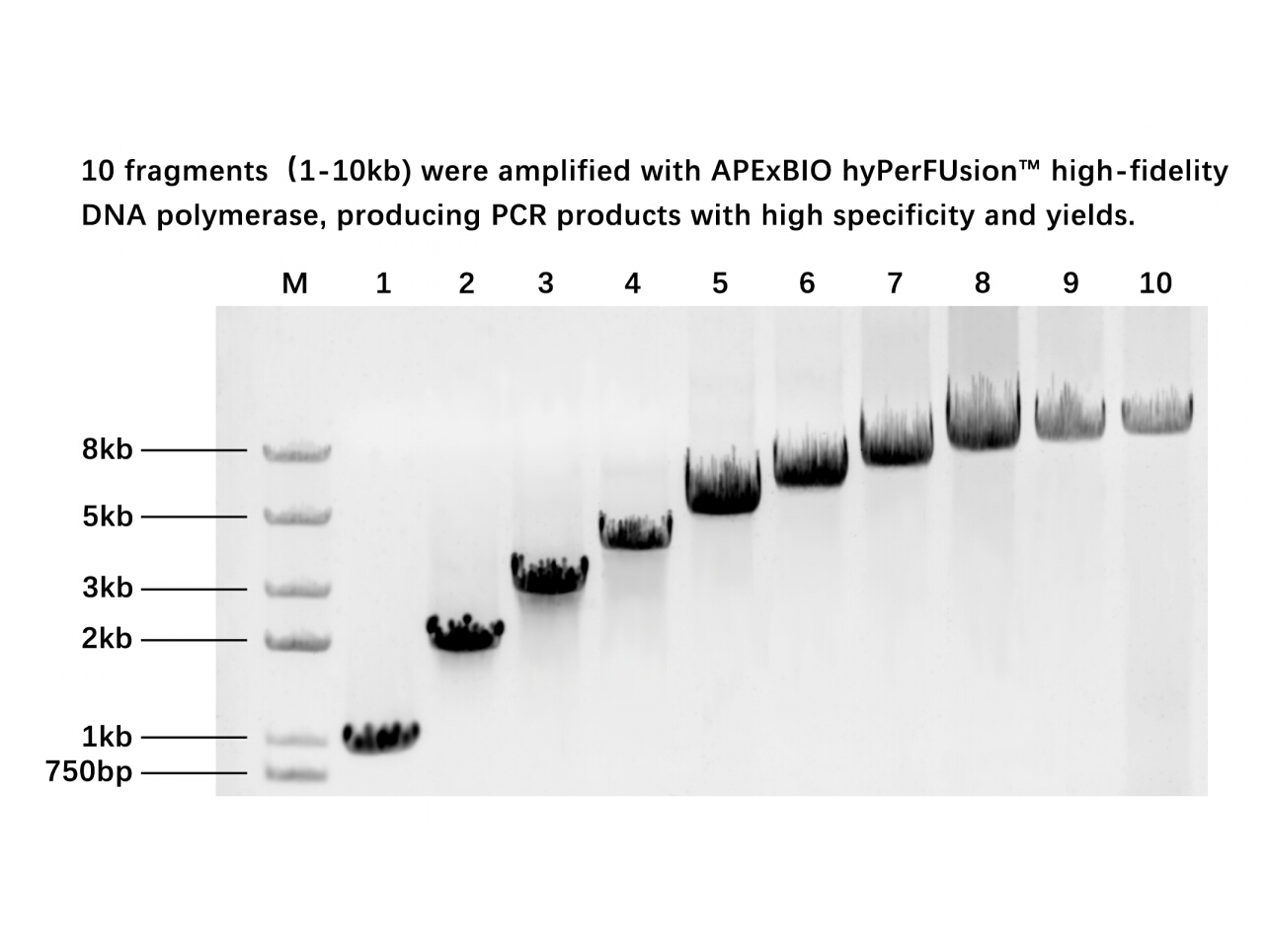
Thiol are reduced by two major redox systems, glutathione/glutaredoxin (GRX) and thioredoxin (TRX), which have been extensively studied in plants [13], [14], [15]. Glutathione, a thiol-containing tripeptide, exists in a reduced (GSH) or an oxidized form (GSSG). It has a major role as a redox buffer.
-
br MADS box proteins in plants
2024-04-03
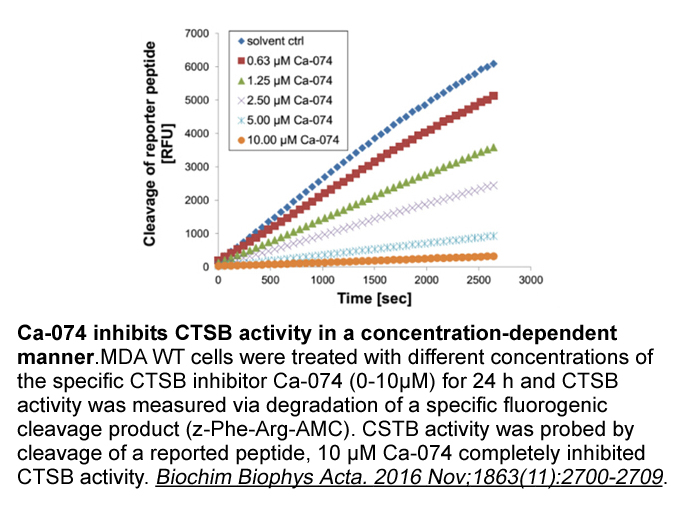
MADS box proteins in plants, a flourishing family In contrast to animals, homeotic genes in plants do not code for homeodomain-containing proteins, but rather, in almost all cases, for MADS domain proteins. The sequencing of the genome of Arabidopsis thaliana revealed more than 100 putative MADS
-
Akt is another upstream kinase known
2024-04-03
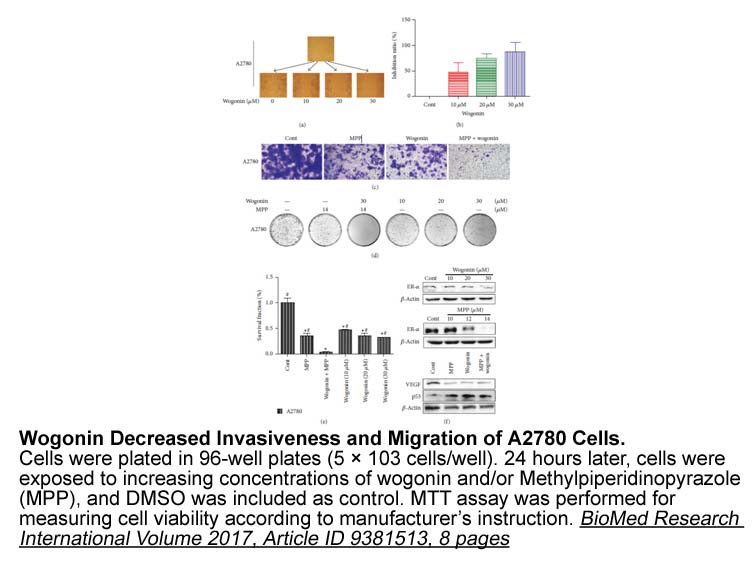
Akt is another upstream kinase known to phosphorylate AMPK Ser489 in response to high insulin levels [7], [21]. HepG2 sorafenib tosylate show an increase in phosphorylation of AMPK at Ser485 when incubated with either insulin or troglitazone individually (Fig. 5A and C). Despite this concurrent inc
-
Since all the above vascular
2024-04-03
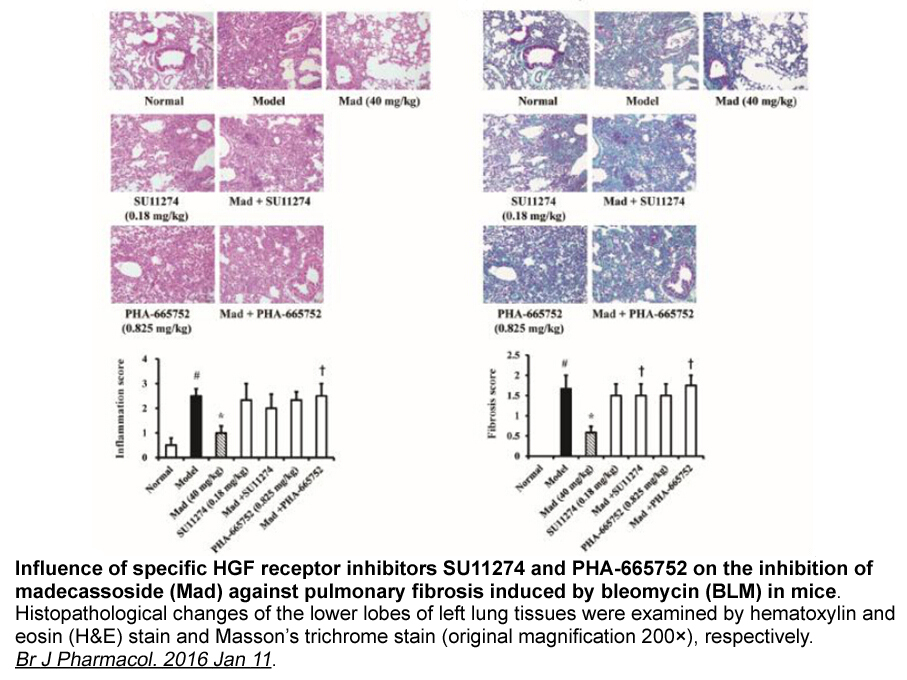
Since all the above vascular and glomerular effects contribute to blood pressure regulation, it is expected for 12/15-LOX pathway to play a role in pathogenesis of hypertension (Fig. 6). Indeed, there is evidence for alterations of the 12- and 15LOX enzymes and metabolites both in humans with essent
7745 records 199/517 page Previous Next First page 上5页 196197198199200 下5页 Last page