Archives
- 2026-08
- 2026-07
- 2026-06
- 2026-05
- 2026-04
- 2026-03
- 2026-02
- 2026-01
- 2025-12
- 2025-11
- 2025-10
- 2025-03
- 2025-02
- 2025-01
- 2024-12
- 2024-11
- 2024-10
- 2024-09
- 2024-08
- 2024-07
- 2024-06
- 2024-05
- 2024-04
- 2024-03
- 2024-02
- 2024-01
- 2023-12
- 2023-11
- 2023-10
- 2023-09
- 2023-08
- 2023-07
- 2023-06
- 2023-05
- 2023-04
- 2023-03
- 2023-02
- 2023-01
- 2022-12
- 2022-11
- 2022-10
- 2022-09
- 2022-08
- 2022-07
- 2022-06
- 2022-05
- 2022-04
- 2022-03
- 2022-02
- 2022-01
- 2021-12
- 2021-11
- 2021-10
- 2021-09
- 2021-08
- 2021-07
- 2021-06
- 2021-05
- 2021-04
- 2021-03
- 2021-02
- 2021-01
- 2020-12
- 2020-11
- 2020-10
- 2020-09
- 2020-08
- 2020-07
- 2020-06
- 2020-05
- 2020-04
- 2020-03
- 2020-02
- 2020-01
- 2019-12
- 2019-11
- 2019-10
- 2019-09
- 2019-08
- 2019-07
- 2019-06
- 2019-05
- 2019-04
- 2018-07
-
p Kip is a critical component of the cell
2019-09-21
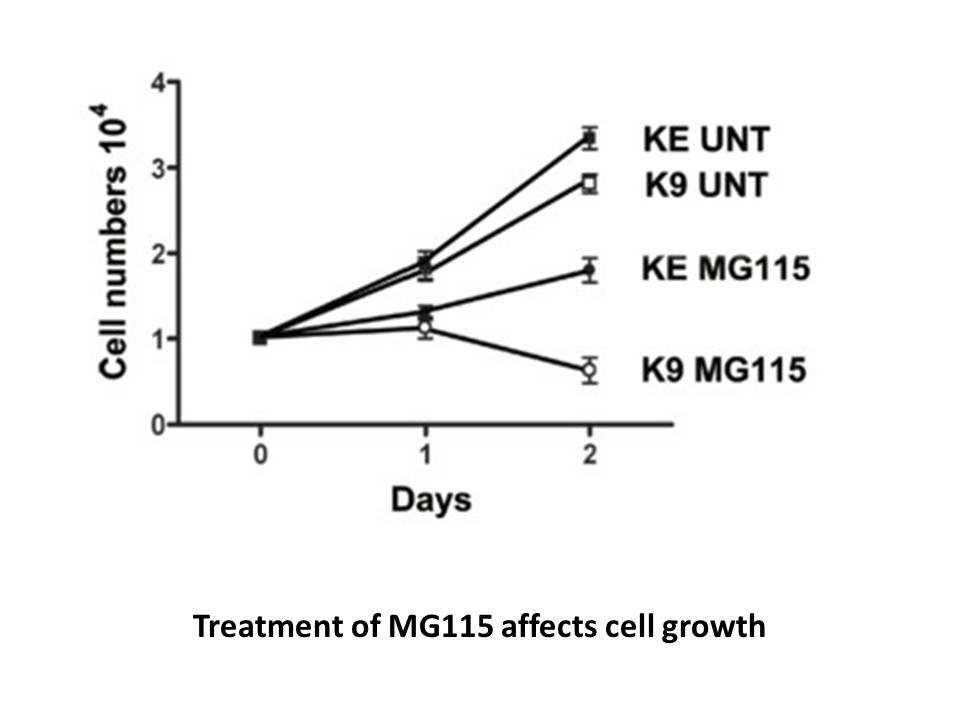
p27Kip1 is a critical component of the cell cycle machinery [15]. As an inhibitor of cyclin E-Cdk2, p27Kip1 plays a pivotal role in controlling cell proliferation, S-phase entry, and G1-phase exit during development and tumorigenesis [16]. p27Kip1 is predominantly regulated via posttranslational mod
-
ATI-2341 CRF and urocortin I are not only readily found thro
2019-09-21

CRF and urocortin I are not only readily found throughout the spinal cord (Korosi et al., 2007), CRF analogs are clearly able to alter nociceptive signals (Imbe et al., 2010; Lariviere and Melzack, 2000). However, it was unclear whether they are released endogenously and involved in the spinal modul
-
In these tables the AAD for most of the
2019-09-21
In these tables, the AAD for most of the alcohols in 2B and 3B schemes is less than 1%. It should also be said that for ethanol, AAD in 2B scheme is (0.36%) and for 3B scheme it is (0.02%), which indicates superior prediction of 3B scheme compared to 2B in CPA ƒ-theory model. Table 8a, Table 9 show
-
In cholesterol synthesis HMG CoA reductase
2019-09-21
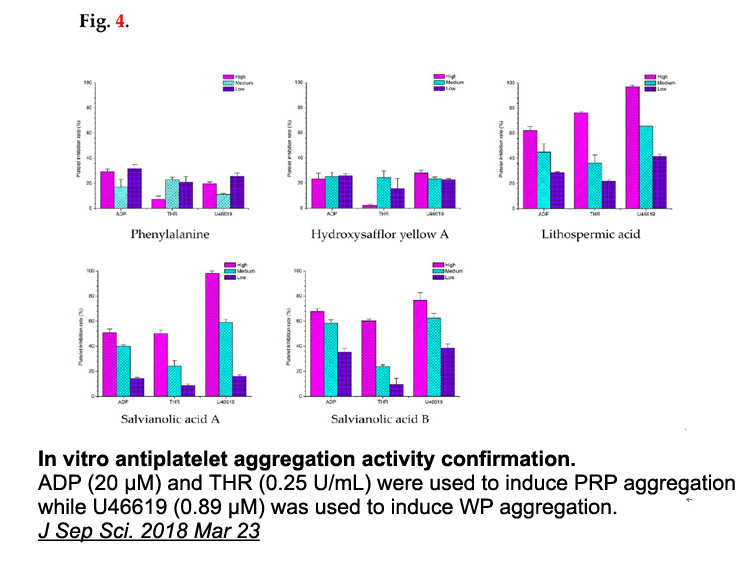
In cholesterol synthesis, HMG-CoA reductase is the rate limiting step in cholesterol biosynthesis. Statins or HMG-CoA reductase inhibitors are commonly used for management of hypercholesterolemia. The presence of an HMG-like moiety on these drugs allows them to competitively bind to the catalytic do
-
br Ultrasonic pretreatment of substrates Substrate pretreatm
2019-09-21
Ultrasonic pretreatment of substrates Substrate pretreatment is widely used in the biofuel, textile and food industries since the substrates are always difficult to degrade. During some enzymatic hydrolysis reactions, the protective layer of the substrate impedes the reaction. Ultrasonic treatmen
-
In regards to regional variation in metabolic behavior of
2019-09-21
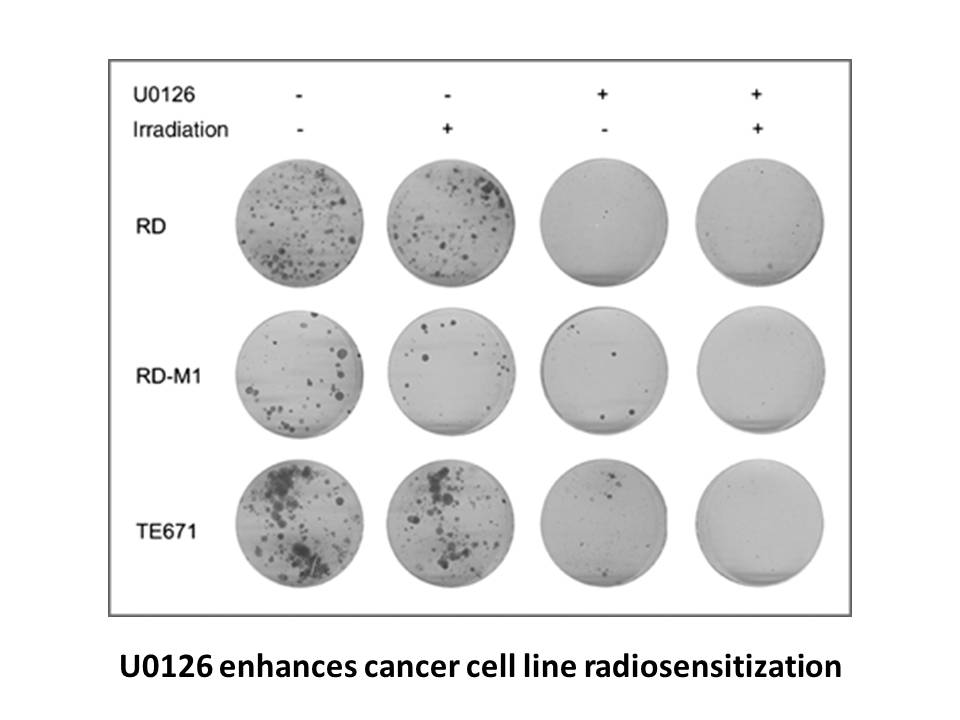
In regards to regional variation in metabolic behavior of adipose tissue, subcutaneous adipose tissue transplantation has been shown to reprogram visceral adipose tissue to have subcutaneous-like phenotypic behavior, whereas visceral-to-subcutaneous transplantation does not promote a more detrimenta
-
NP118809 The AURA trial was a phase I II study evaluating
2019-09-21
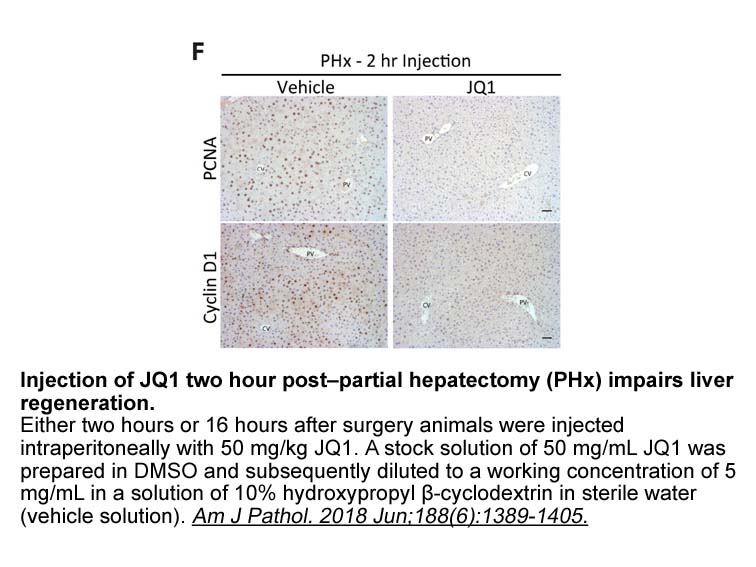
The AURA trial was a phase I/II study evaluating the safety, tolerability and activity of Osimertinib in patients with EGFR-mutated NSCLC progressing after a previous EGFR TKI. The phase I component of the study included a dose escalation part (Osimertinib 20mg to 240mg), using a rolling six design,
-
In this review focusing on biocatalyst formate dehydrogenase
2019-09-21
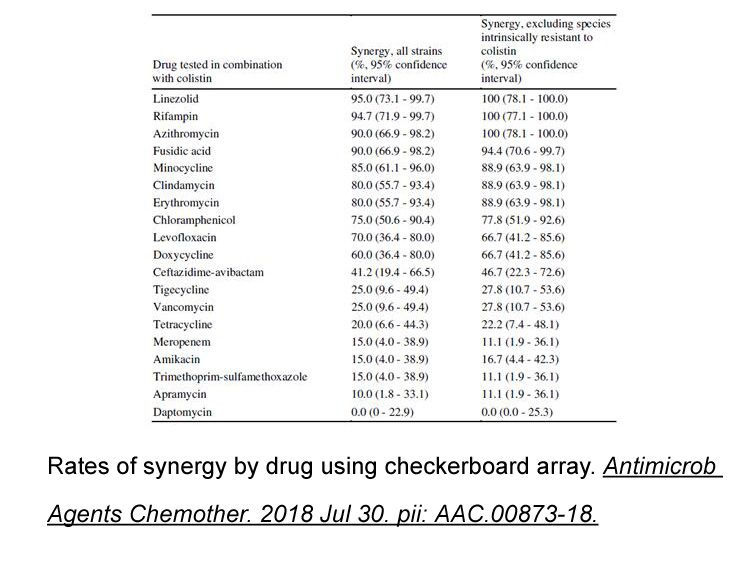
In this review, focusing on biocatalyst “formate dehydrogenase FDH” catalyzing both of the formic Rivaroxaban oxidation to CO2 and the CO2 reduction to formic acid, representative examples of properties, types, structure of active-site of FDH and, reaction mechanism of formic acid oxidation and CO2
-
When six chemical inhibitors were incubated with TRB
2019-09-20
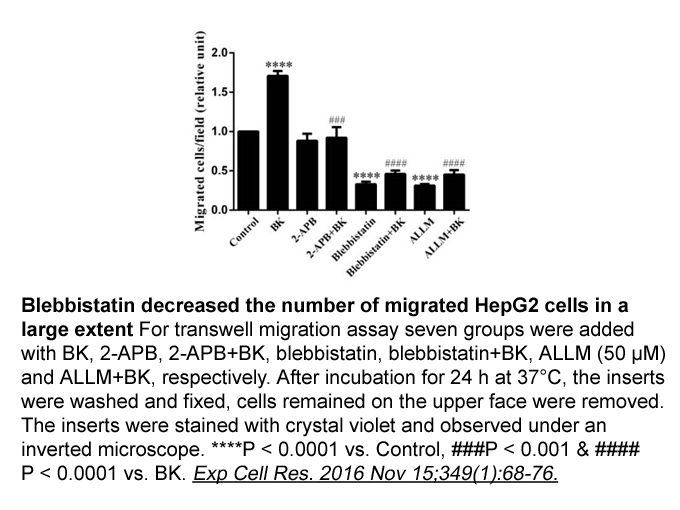
When six chemical inhibitors were incubated with TRB or TRC and human liver microsomal preparation, HLM2, the results showed that ketoconazole (a CYP3A4 inhibitor) was very effective in inhibiting 4β-C hydroxylation of TRB and TR, whereas sulfaphenazole (a CYP2C9 inhibitor) and quinidine (a CYP2D6
-
We demonstrated that cells expressing less
2019-09-20
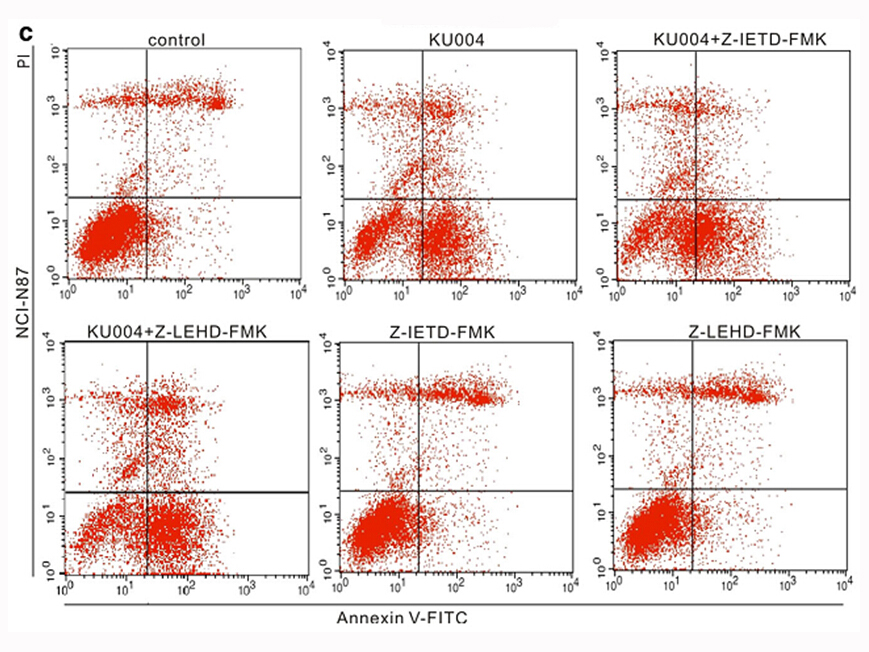
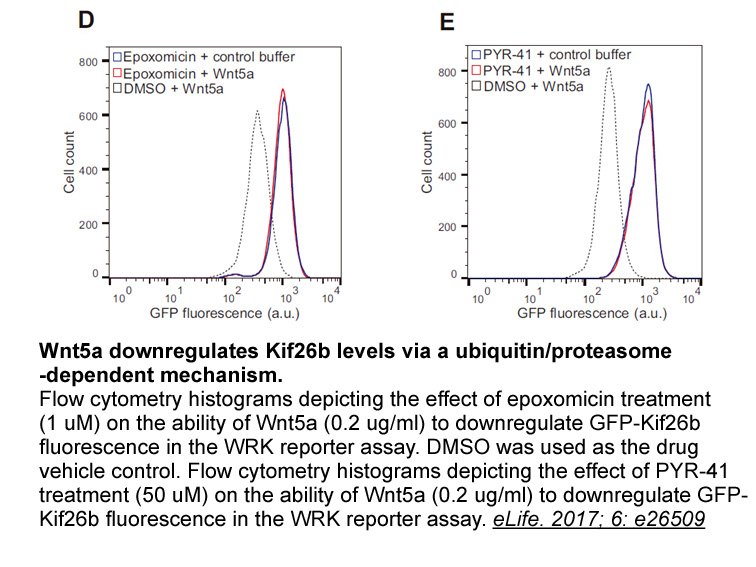
We demonstrated that KX2-391 dihydrochloride expressing less DHODH were less sensitive to DHODH inhibitors regardless of their oncogenic status. Based on the proliferation speed of cells, Kant et al. (1989), showed that slow-growing squamous cell carcinoma was more sensitive to BQR than fast-growin
-
Aldehyde dehydrogenase has been characterized as
2019-09-20
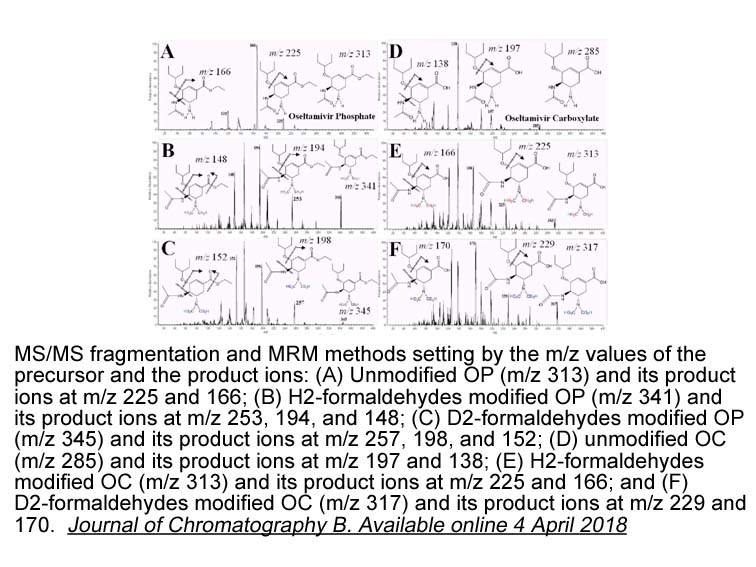
Aldehyde dehydrogenase has been characterized as a cancer stem cell marker, which plays a key role in various biological processes in tumor, including cell proliferation, invasiveness and chemoresistance. Recent data of Abourbih et al reported that ALDH1 expression did not correlate with primary tum
-
In cancer interactions between the
2019-09-20
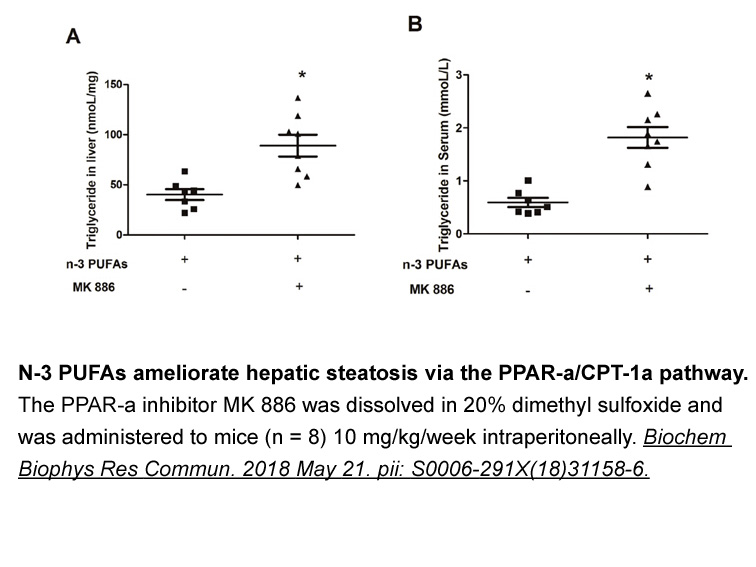
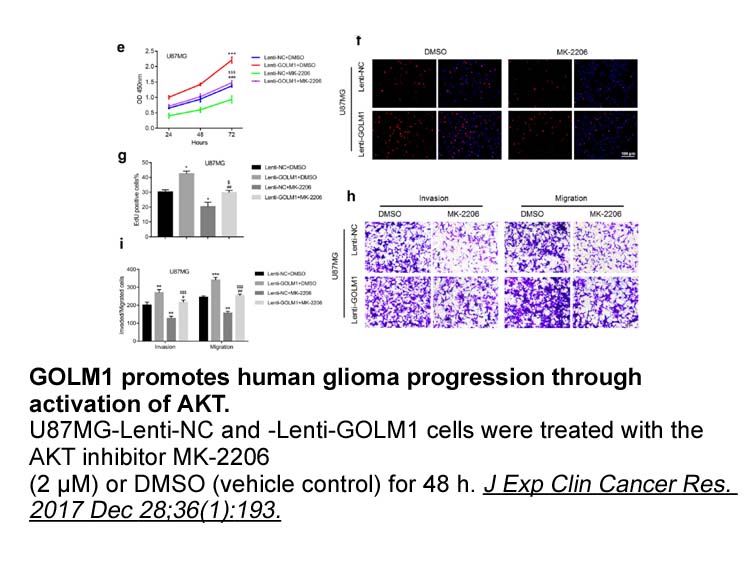
In cancer, interactions between the transformed cancer SJB2-043 and other cell types recruited to the tumor are important. Tumor associated macrophages provide cancer cells with a suitable low-grade inflammatory milieu including growth promoting factors. Our results suggest a novel pro-tumorigenic m
-
In recent years the use of liquid chromatography tandem mass
2019-09-20
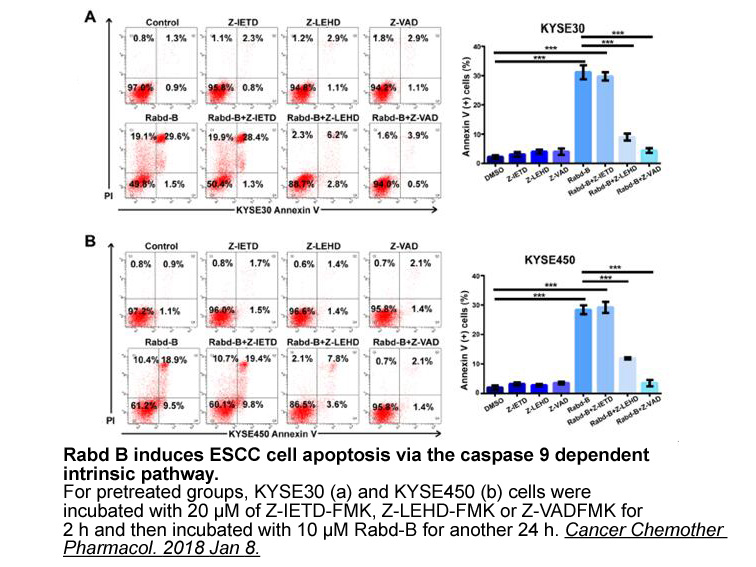
In recent years, the use of liquid chromatography/tandem mass spectrometry (LC–MS/MS) has become a preferred approach to measure drugs and metabolites in biological fluids due to its very high selectivity and sensitivity [17], [18], [19], [20], [21], [22], [23], [25], [30]. The great sensitivity of
-
As the COMT enzyme is primarily related to prefrontal dopami
2019-09-20
As the COMT enzyme is primarily related to prefrontal dopamine degradation (e.g., Yavich et al., 2007), the present study supports the notion that prefrontal dopamine modulates retention of fear extinction rather than within-session extinction (Abraham et al., 2014). Consistent with other studies we
-
br Acknowledgements br The oxygenation
2019-09-20
Acknowledgements The oxygenation level has an impact on various aspects of skin physiology, but mechanisms of these effects, including the role of hypoxia in epidermal differentiation, are still poorly understood. The main components of the hypoxia pathway are short-lived transcription factor H
15752 records 968/1051 page Previous Next First page 上5页 966967968969970 下5页 Last page