Archives
- 2026-08
- 2026-07
- 2026-06
- 2026-05
- 2026-04
- 2026-03
- 2026-02
- 2026-01
- 2025-12
- 2025-11
- 2025-10
- 2025-03
- 2025-02
- 2025-01
- 2024-12
- 2024-11
- 2024-10
- 2024-09
- 2024-08
- 2024-07
- 2024-06
- 2024-05
- 2024-04
- 2024-03
- 2024-02
- 2024-01
- 2023-12
- 2023-11
- 2023-10
- 2023-09
- 2023-08
- 2023-07
- 2023-06
- 2023-05
- 2023-04
- 2023-03
- 2023-02
- 2023-01
- 2022-12
- 2022-11
- 2022-10
- 2022-09
- 2022-08
- 2022-07
- 2022-06
- 2022-05
- 2022-04
- 2022-03
- 2022-02
- 2022-01
- 2021-12
- 2021-11
- 2021-10
- 2021-09
- 2021-08
- 2021-07
- 2021-06
- 2021-05
- 2021-04
- 2021-03
- 2021-02
- 2021-01
- 2020-12
- 2020-11
- 2020-10
- 2020-09
- 2020-08
- 2020-07
- 2020-06
- 2020-05
- 2020-04
- 2020-03
- 2020-02
- 2020-01
- 2019-12
- 2019-11
- 2019-10
- 2019-09
- 2019-08
- 2019-07
- 2019-06
- 2019-05
- 2019-04
- 2018-07
-
br Materials and methods br
2019-10-31
Materials and methods Acknowledgments Introduction Proton pumps convert the energy of high-energy compounds into the BI 6015 australia of protons across biomembranes. They play two physiological roles: pH regulation and the formation of proton-motive forces in their membranes. The simplest
-
br Introduction Analyses of genomic
2019-10-31
Introduction Analyses of genomic alterations in cancer have identified epidermal growth factor receptor (EGFR) as one of the most potent “oncogenic driver” kinases that is present in many epithelial tumors including endometrial, breast, prostate, skin, esophagus, lung, stomach, colorectal, and re
-
Acknowledgments br Prostaglandin D PGD plays a key
2019-10-31
Acknowledgments Prostaglandin D (PGD) plays a key role in mediating allergic reactions such as those seen in asthma, allergic rhinitis, atopic dermatitis and allergic conjunctivitis. PGD is the major cyclooxygenase product formed and secreted by activated mast cells and its levels in bronchoalveo
-
Herein the interactions of etamicastat nepicastat and
2019-10-30
Herein, the interactions of etamicastat, nepicastat and zamicastat with P-gp and BCRP were evaluated. Although recent investigations have been performed to assess the involvement of P-gp in the capreomycin receptor exposure of nepicastat and etamicastat (Loureiro et al., 2015), the contribution of
-
conotoxin br Materials methods br Results and discussion The
2019-10-30
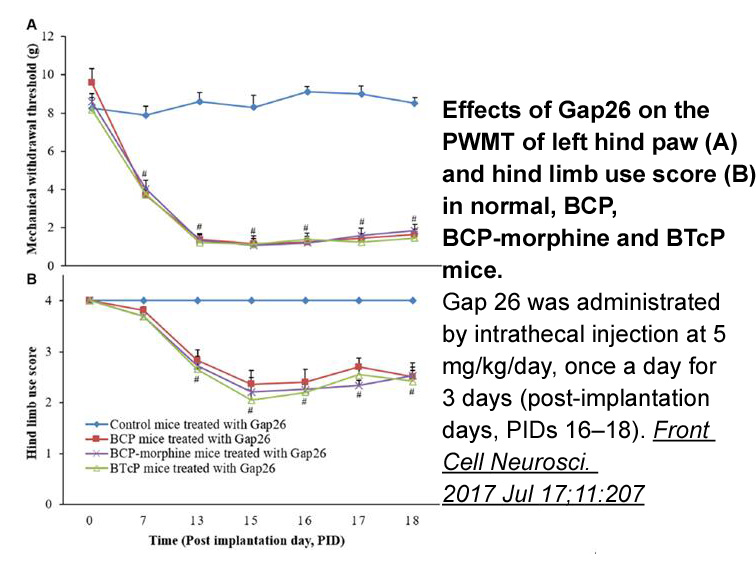
Materials & methods Results and discussion The comparison of BFI methods (Table 1) shows that Phosphatesmo failed to detect seminal fluid in all samples. This observation is concordant with other studies that investigated water-exposed seminal fluid stains [6], [7]. The Phosphatesmo test is us
-
We elucidated that the ten DGK isozymes have
2019-10-30
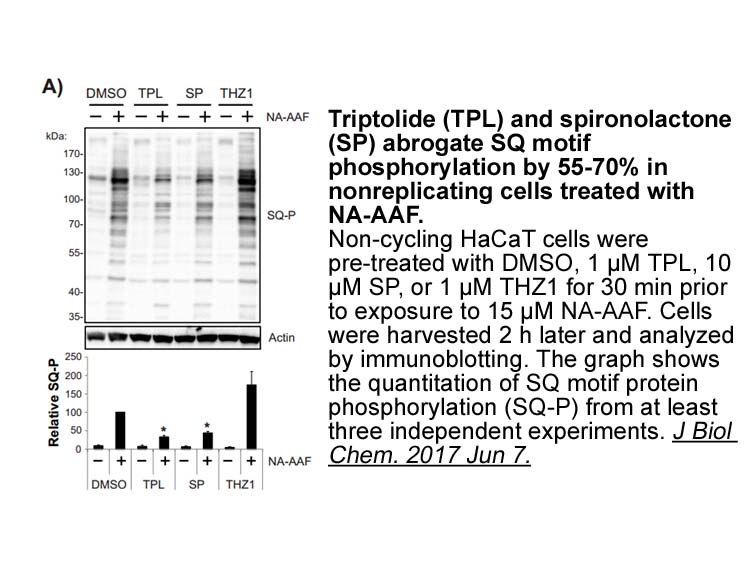
We elucidated that the ten DGK isozymes have different relative 1-MGK and 2-MGK activities vs DGK activity under the same conditions. However, because the octylglucoside-mixed micellar assay was developed for DGK, it is not known whether the DGKs exhibit maximum 1-MGK and 2-MGK activities in this as
-
DAPK is a kD Ca calmodulin CaM
2019-10-30
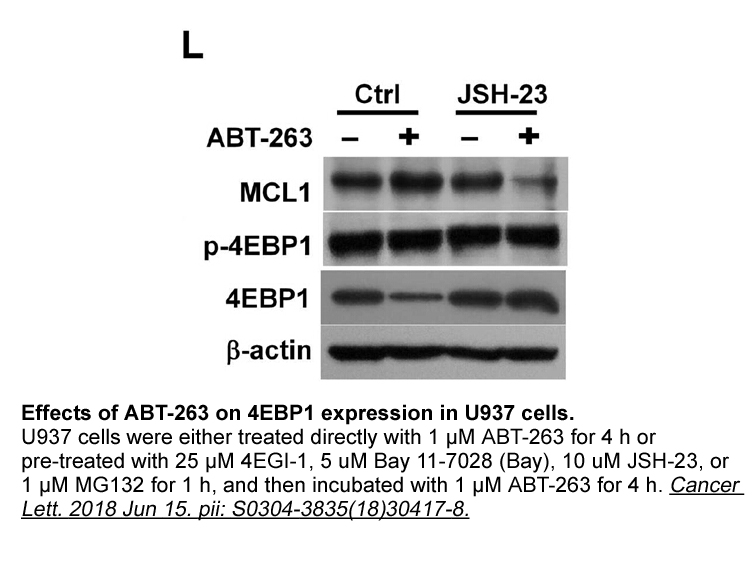
DAPK is a 160-kD Ca2+/calmodulin (CaM)-regulated Ser/Thr kinase that mediates cell death. The activated forms of DAPK and DRP-1 are capable of inducing two distinct cytoplasmic events characteristic of programmed cell death, including membrane blebbing and the formation of autophagic vesicles (Inbal
-
6656 br Discussion Cytomegalovirus CMV is a herpes
2019-10-30
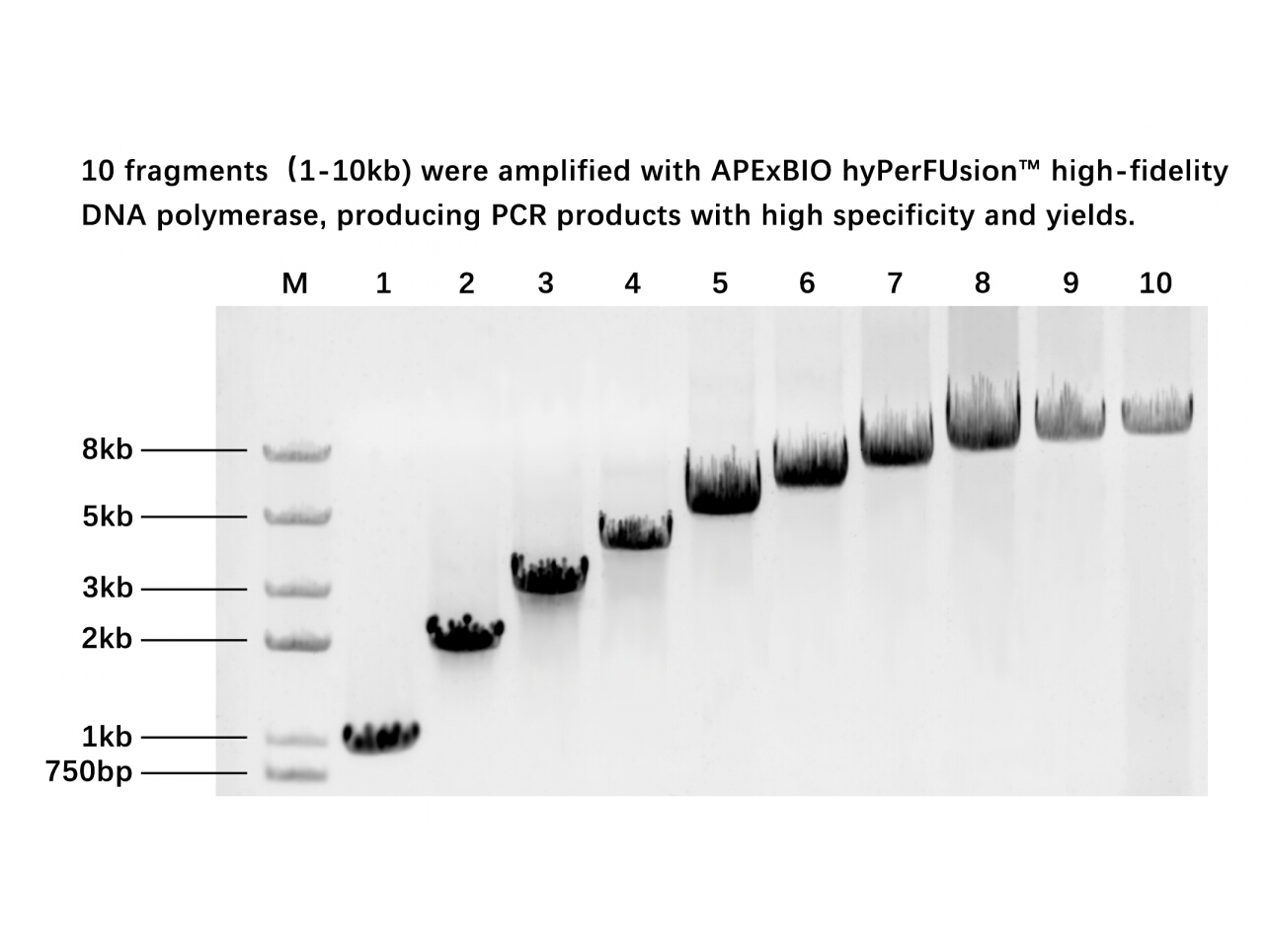
Discussion Cytomegalovirus (CMV) is a herpes virus that causes primary infection in normal hosts and re-activation infection in compromised hosts with impaired CMI, e.g., organ transplants. Following primary infection, which may be severe, CMV becomes latent in lymphocytes. Reactivation may occur
-
A possible explanation for these
2019-10-30
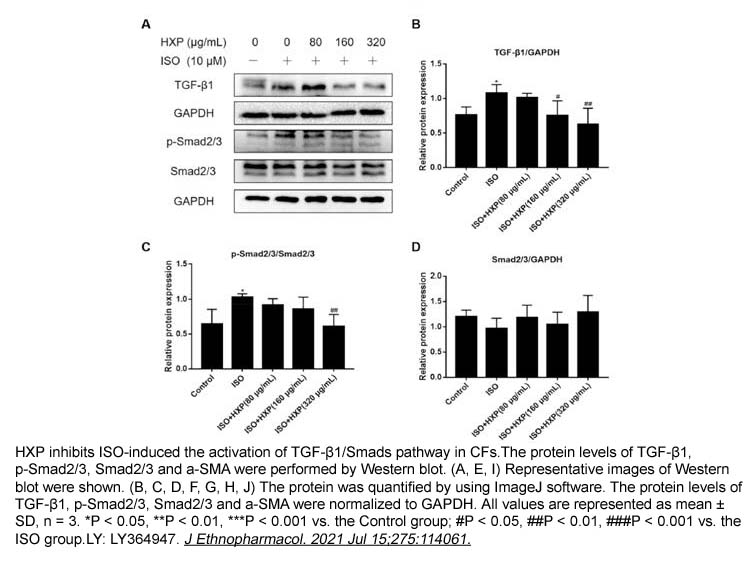
A possible explanation for these observations has been provided by a recent study showing that EWS-FLI-1 increases the Skp2-mediated 26S proteasome degradation, decreasing p27 protein stability and preventing cell senescence [42]. Mechanism of action of EWS-FLI-1 Molecular analysis has revealed
-
Our study revealed elevated basal Akt phosphorylation in
2019-10-30
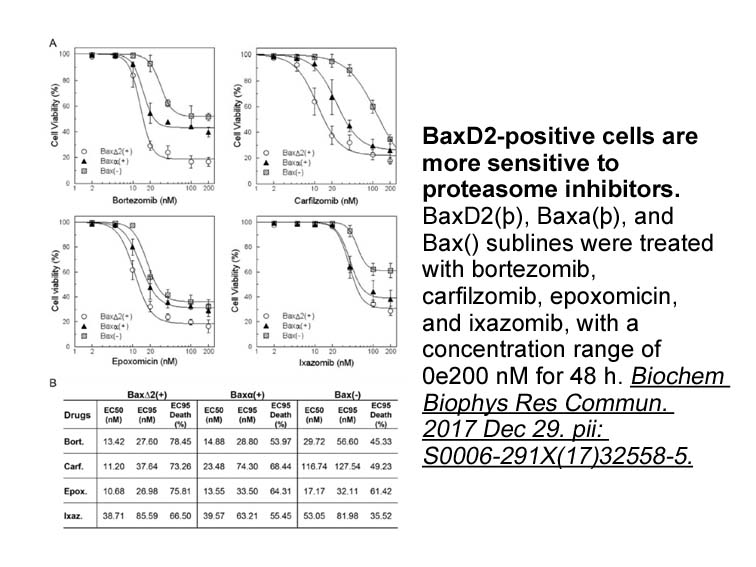
Our study revealed elevated basal Akt phosphorylation in diet-induced obesity, the effect of which was reversed by ETAKO. Activation of Akt promotes cardiac hypertrophy via a number of cellular mechanisms including activation of its downstream targets such as mTOR and GSK3β [45, 46]. Short-term acti
-
In terms of its protease
2019-10-30
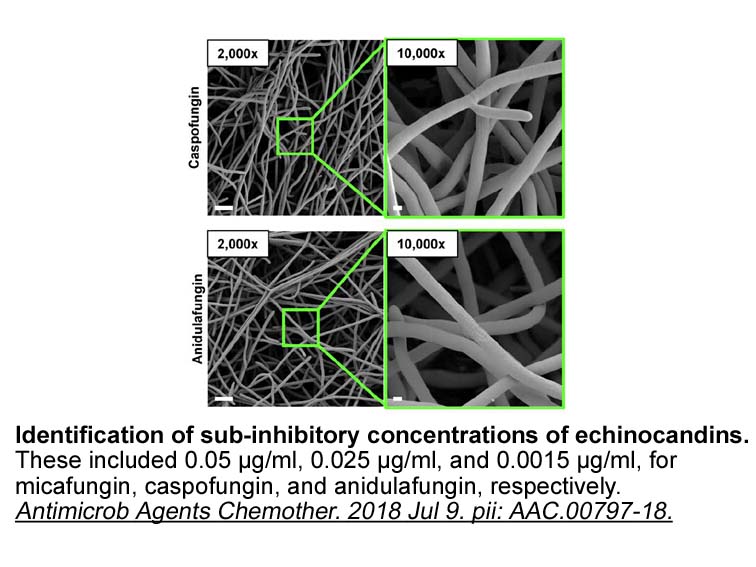
In terms of its protease activity, MME has a broad range of substrates being able to target glucagon, bradykinin, GLP1, and several other desipramine hcl receptor of circulating small molecules [25]. MME has been shown to target free insulin B-chain [32], although whether MME could target and degra
-
In addition to grouping cases of B ALL by cell
2019-10-30
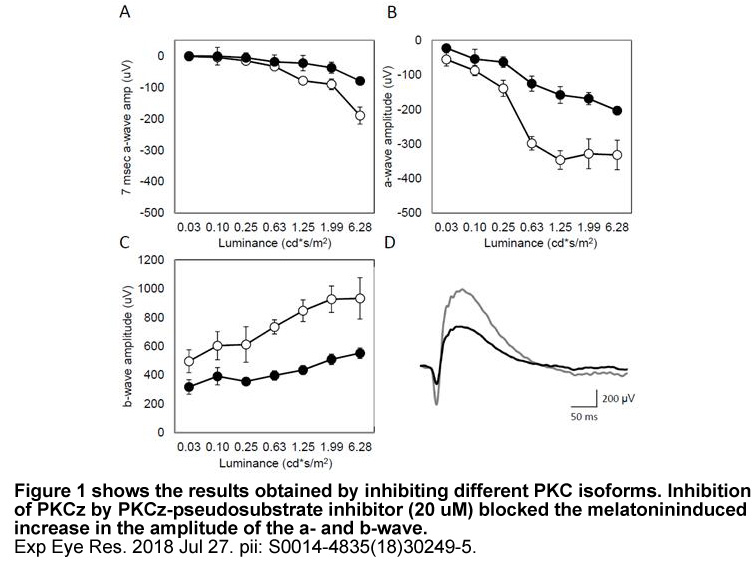
In addition to grouping cases of B-ALL by cell of origin, these lymphomas can also be subcharacterized by genetic rearrangements. Fusion of the purinergic receptor P2RY8 promoter to the CRLF2 (cytokine receptor like factor 2) gene frequently occurs in B-ALL but reports of the functional consequences
-
dihydroxycholesterol OHC was recently identified by classic
2019-10-30
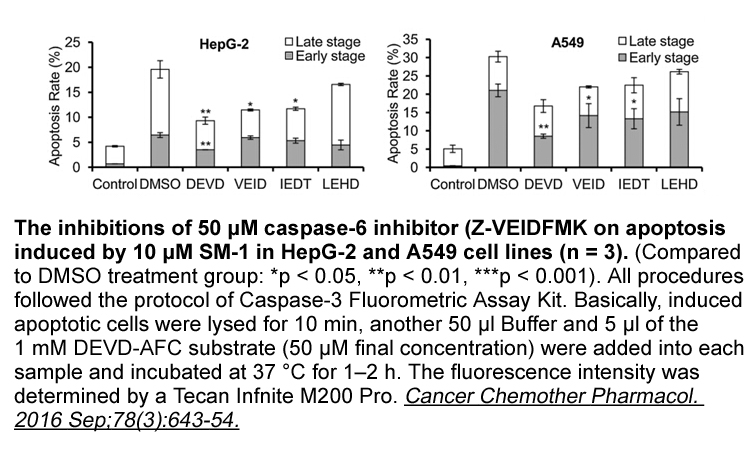
7α,25-dihydroxycholesterol (7α,25-OHC) was recently identified by classic analytical methods as a high-affinity ligand for EBI2 (Hannedouche et al., 2011; Liu et al., 2011). 7α,25-OHC was previously identified as an intermediate in the alternate pathway of hepatic bile amtb synthesis (Russell, 2003
-
The E enzyme is the apex
2019-10-30
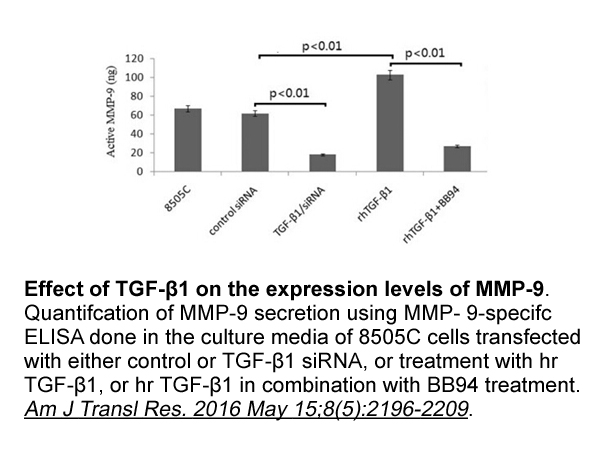
The E1 enzyme is the apex for downstream enzymatic cascades and signaling pathways mediated by Ub and Ub-like proteins (Ubls) (Pickart, 2001). Studying characteristics of E1 and its catalytic functions may throw light to the role of ubiquitination in cell development. All known eukaryotic E1 are mon
-
In the present work we have investigated the reactivity of
2019-10-30
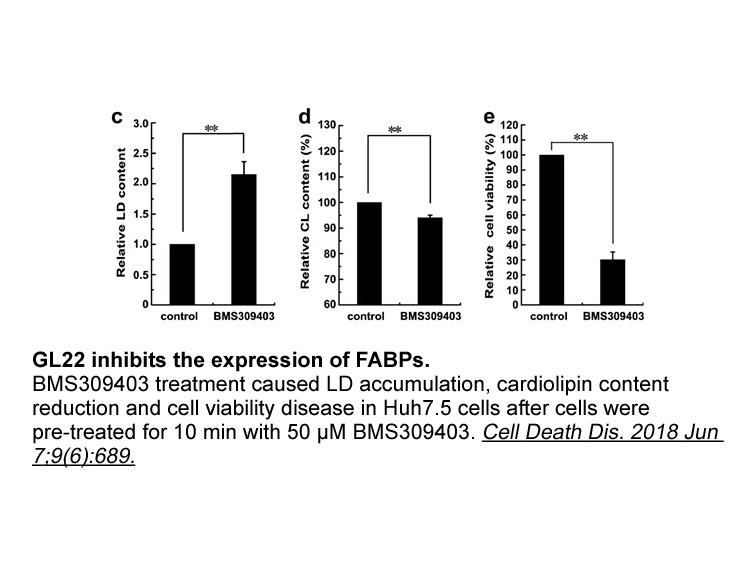
In the present work, we have investigated the reactivity of N-aryl-N′-hydroxyguanidines 1a–d (see Scheme 1 for structures) with the water-soluble Cu(II) complex 8. Using EPR and UV–Visible spectroscopy, we have shown that the studied N-aryl-N′-hydroxyguanidines 1a–d can bind and transfer electrons t
15752 records 942/1051 page Previous Next First page 上5页 941942943944945 下5页 Last page